Apartment inspection checklist for buyers in Israel
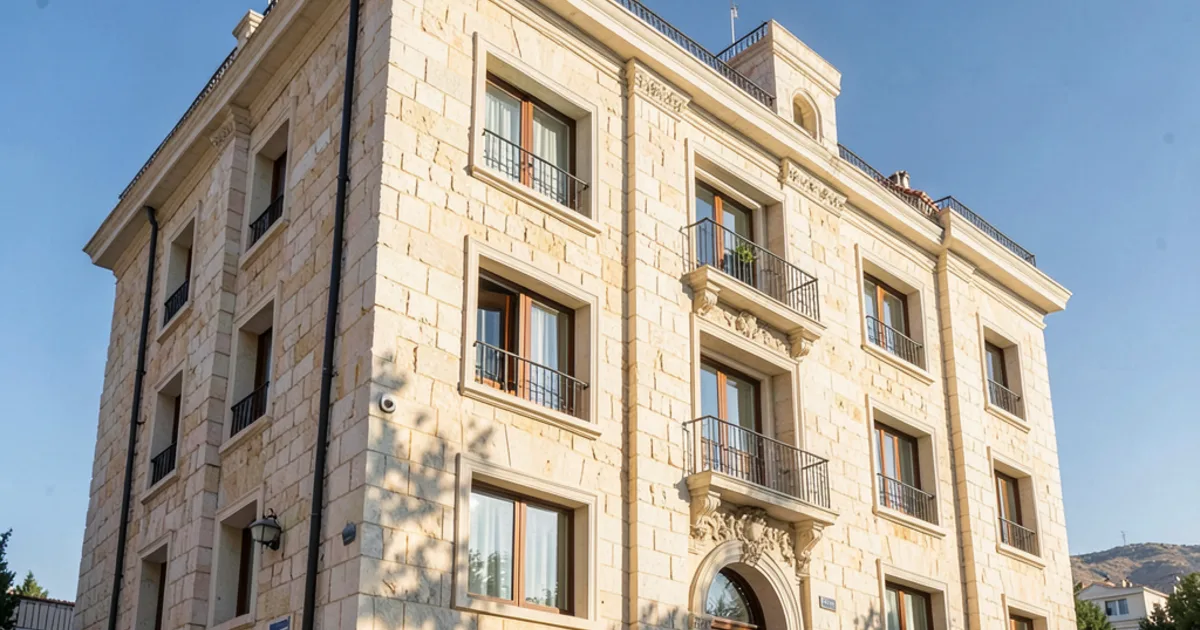
Purchasing real estate in Israel is a significant milestone that requires more than just a financial commitment; it demands rigorous physical and legal scrutiny. Whether you are looking for a primary residence, a holiday home, or a high-yield investment, the physical condition of the property can dictate your long-term satisfaction and total cost of ownership. A single overlooked leak or an outdated electrical system can transform a promising opportunity into a mounting series of repair bills. This guide provides a comprehensive, professional-grade inspection checklist designed to help you navigate a physical viewing with the eyes of an expert.
- The Importance of a Physical Inspection in the Israeli Market
- Structural Integrity and External Building Condition
- Electrical Systems and Safety Standards
- Plumbing, Water Pressure, and Drainage
- Climate Control: Air Conditioning and Insulation
- Interior Finishes: Floors, Walls, and Ceilings
- Windows, Doors, and Soundproofing
- Common Areas and Building Amenities
- The Surrounding Neighborhood and Environment
- Legal and Administrative Due Diligence
- Preparing for the Final Walkthrough
The Importance of a Physical Inspection in the Israeli Market
In the fast-paced Israeli real estate market, it is easy to become swept up in the excitement of a beautiful view or a prime location. However, emotional decisions often lead buyers to overlook critical technical flaws that are not immediately apparent during a casual walkthrough. A systematic inspection allows you to separate the aesthetic appeal of a property from its actual functional health. By conducting a thorough check, you gain the leverage needed to negotiate the price or request necessary repairs before the contract becomes binding.
The context of your purchase significantly changes the depth of inspection required. If you are buying a brand-new apartment in a developing project, your focus might shift toward construction quality and adherence to the developer's promises. Conversely, when buying a resale property in an older neighborhood like parts of Tel Aviv or Haifa, you must be much more vigilant regarding aging infrastructure and historical maintenance. Understanding these nuances ensures that your inspection is tailored to the specific risks associated with the property type.
Furthermore, an inspection is not just about finding faults; it is about verifying the value proposition. You are looking to confirm that the features advertised, such as a renovated kitchen or a modern cooling system, are actually present and in good working order. This process provides peace of mind and serves as a critical step in your due diligence before you commit to a Mashkanta mortgage. An informed buyer is a protected buyer, capable of making decisions based on reality rather than marketing brochures.
- Differentiate between aesthetic upgrades and structural necessities.
- Identify potential negotiation points for the purchase price.
- Align the physical reality with the legal descriptions in the Tabu.
Structural Integrity and External Building Condition
The structural health of a building is the most critical element of any property, as these issues are often the most expensive to rectify. When viewing an apartment, start by looking at the building's exterior and the stability of its most prominent features. In Israel, balconies and terraces are highly valued, but they are also prone to water infiltration and concrete degradation. You must inspect the balcony floors and railings for any signs of cracking or rust, which could indicate underlying structural fatigue.
Pay close attention to the walls, both inside and outside the apartment. While minor hairline cracks in plaster are common in many climates, large, diagonal cracks can be a warning sign of foundation settling or seismic movement. Check the corners of rooms and the areas around window frames for any signs of shifting. In older buildings, it is also important to look for signs of 'Rish' or dampness on the exterior facade, which suggests that the building's waterproofing is failing.
The roof and the ceiling of the top-floor apartments deserve special attention. A leaking roof is a common issue in many Israeli municipalities and can lead to extensive mold growth and electrical hazards. If you are viewing a top-floor unit, ask about the most recent maintenance performed on the building's roof. A well-maintained building typically shows signs of regular upkeep in its common areas and exterior, which is a good indicator of a healthy Va'ad Bayit (building committee).
- Inspect balcony railings and floor integrity.
- Look for large diagonal cracks in walls and corners.
- Check for signs of water damage or spalling on the building facade.
- Verify the condition of the roof if the unit is on the top floor.
Electrical Systems and Safety Standards
Electrical safety is a non-negotiable aspect of any property inspection. In many older Israeli apartments, the electrical infrastructure may not have been updated to handle the demands of modern high-wattage appliances. You should locate the main electrical panel, often called the fuse box, and check for any signs of scorching, loose wiring, or outdated components. A panel that looks disorganized or excessively old can be a sign that a significant electrical overhaul will be required shortly after purchase.
Beyond the panel, examine the placement and condition of the sockets and switches throughout the apartment. Ensure that there are enough outlets in practical locations, such as the kitchen and near intended desk areas. In older buildings, you may find that there is insufficient grounding or that the wiring is not compliant with current safety standards. If you notice any flickering lights or buzzing sounds when turning on appliances, these are immediate red flags that require a professional electrician's assessment.
It is also important to consider the capacity of the electrical system for modern living. For example, if you plan to run multiple air conditioning units, an electric oven, and a dishwasher simultaneously, you need to know if the apartment's main fuse can handle the load. In some older constructions, the electrical capacity is quite limited, which might necessitate an expensive upgrade through the local electricity company. Always ask the seller about the history of electrical renovations in the unit.
- Locate and inspect the main electrical fuse box.
- Test the functionality and stability of wall sockets and switches.
- Assess if the current capacity supports modern electrical loads.
- Check for signs of overheating or improper grounding.
Plumbing, Water Pressure, and Drainage
Plumbing issues are among the most common and costly problems encountered by property owners in Israel. Because many Israeli cities experience significant fluctuations in water pressure, you must test the flow in all faucets and showerheads. A common issue in high-rise buildings is inadequate pressure on higher floors, which can make daily tasks frustrating and may require the installation of a water pump. Always run multiple taps simultaneously to see how the pressure holds up under load.
Next, inspect the drainage and the condition of the bathroom and kitchen plumbing. Check under the sinks for any signs of moisture, leaks, or wood rot in the cabinetry. In the bathroom, flush all toilets multiple times to ensure they refill correctly and that there are no leaks at the base. Pay close attention to the grouting around the tiles in the shower and near the floor drains, as failing grout is a primary cause of water seeping into the walls and causing structural damage.
Dampness and mold are significant indicators of plumbing or waterproofing failures. Look closely at the corners of the ceiling and the lower parts of the walls for any discoloration or 'Rish.' Even if a wall looks freshly painted, a professional can often detect moisture through the texture or smell. If you see signs of water damage, it could indicate a leak from an apartment above or a failure in the building's internal piping, both of which can be complex and expensive to fix.
- Test water pressure in all faucets and showers simultaneously.
- Check under sinks and cabinets for leaks or moisture.
- Inspect bathroom and kitchen grouting for cracks or gaps.
- Look for discoloration or mold indicative of hidden leaks.
Climate Control: Air Conditioning and Insulation
Given the Mediterranean climate, effective cooling is an absolute necessity for any property in Israel. Most apartments rely on split-unit air conditioners, which are relatively easy to install but require regular maintenance. During your viewing, check the age and condition of the existing units. Listen for unusual noises and check if the cooling is consistent across all rooms. If the units are extremely old, you should factor the cost of replacement into your budget.
In addition to the units themselves, consider the overall insulation of the apartment. Poorly insulated walls and windows can lead to massive electricity bills and an inability to maintain a comfortable temperature. Check the thickness of the walls and the quality of the window frames. In many newer builds, thermal insulation is integrated into the construction, but in older buildings, you may find that the apartment feels excessively hot in the summer or cold in the winter, regardless of the AC usage.
The location of the outdoor condenser units is also worth noting. If they are placed in a way that blocks ventilation or creates excessive noise near a bedroom window, it could be a significant nuisance. Furthermore, ensure that the drainage for the air conditioning units is properly routed and does not drip onto neighbors' balconies or common walkways. A well-planned HVAC setup is a sign of a well-maintained and thoughtfully designed property.
- Verify the functionality and age of air conditioning units.
- Assess the overall thermal insulation of the apartment.
- Check for noise and placement issues of outdoor condensers.
- Ensure proper drainage for all cooling systems.
Interior Finishes: Floors, Walls, and Ceilings
The interior finishes of an apartment contribute significantly to its perceived value and your immediate comfort. When inspecting floors, look for unevenness, cracked tiles, or hollow sounds when walking, which can indicate poor installation or subfloor issues. Whether the apartment has ceramic tiles, granite, or parquet, the quality of the finish should be consistent. In older properties, be wary of floors that have been 'patched' together with different materials, as this can be a sign of previous water damage or structural shifts.
Walls and ceilings should be inspected for more than just cosmetic perfection. While a fresh coat of paint can hide many things, look for textures that suggest uneven surfaces or recent attempts to cover up cracks. In the kitchen and bathrooms, check the junction between the walls and the floor to ensure there is proper sealing. Any signs of bubbling paint or peeling wallpaper are strong indicators of moisture issues that need to be addressed before you move in.
The quality of cabinetry and built-in furniture is also a key component of the interior inspection. In the kitchen, open and close all drawers and cupboards to check for smooth operation and structural sturdiness. If the apartment is being sold with built-in wardrobes, ensure they are properly anchored and that the doors align correctly. While these might seem like minor details, they are essential indicators of the overall level of care the previous owners provided to the property.
- Check for cracked or uneven floor tiles.
- Inspect walls for signs of moisture, bubbling, or hidden cracks.
- Test the functionality of kitchen cabinets and built-in wardrobes.
- Look for consistent finish quality across different rooms.
Windows, Doors, and Soundproofing
Windows and doors are your primary defense against both the elements and the noise of a busy Israeli street. Most modern apartments use double-glazed windows to provide thermal insulation and soundproofing. During your viewing, check the seals around the window frames to ensure they are airtight. If you feel a draft or hear whistling sounds when the wind blows, the windows may need replacement or significant adjustment. High-quality windows are a major asset in urban areas like Tel Aviv or Jerusalem.
Soundproofing is often a major concern in densely populated Israeli cities. While you cannot easily test this during a quiet viewing, you can observe the thickness of the window frames and the quality of the doors. If the apartment is located near a major thoroughfare, a noisy bar, or a construction site, the ability to block out noise will be crucial for your quality of life. Ask the seller or the building manager about the typical noise levels in the building during different times of the day.
The security and functionality of entry doors should also be verified. In Israel, it is common to have heavy-duty security doors (Dlat Shomrim) that provide both safety and sound insulation. Ensure the door closes and locks smoothly and that the hardware is in good condition. A door that sticks or requires significant force to close can be a sign of a settling building or a poorly installed frame, which could lead to further issues over time.
- Verify the airtightness and seal quality of window frames.
- Assess the potential for soundproofing against street noise.
- Check the functionality and security of the main entry door.
- Look for signs of thermal leakage through windows and doors.
Common Areas and Building Amenities
When buying an apartment, you are not just buying a unit; you are buying into a community and a shared infrastructure. The condition of the common areas, such as the lobby, stairs, elevators, and parking, is a direct reflection of the building's management and the health of the Va'ad Bayit. A well-maintained lobby and clean hallways suggest a proactive building committee and a well-funded maintenance budget. Conversely, neglected common areas can be a sign of future financial assessments (Dmei Hinuch) or ongoing maintenance disputes.
Parking is one of the most valuable commodities in Israeli real estate. If the apartment includes a dedicated parking spot, ensure it is easily accessible and clearly defined. If the parking is underground, check the lighting and the cleanliness of the garage to ensure it is safe and well-maintained. In many crowded cities, the lack of reliable parking can significantly impact both your daily convenience and the future resale value of your property.
The elevator is another critical component, especially in multi-story buildings. Observe the elevator's operation: does it run smoothly, is it clean, and are there clear signs of recent maintenance? Frequent breakdowns in a building can be a major source of friction among residents and can indicate a lack of proper oversight. Additionally, check the availability and condition of shared amenities like garbage disposal rooms, bicycle storage, or rooftop access, as these add significant value to your lifestyle.
- Evaluate the cleanliness and maintenance of the lobby and hallways.
- Inspect the condition and accessibility of assigned parking.
- Check the reliability and cleanliness of the building's elevators.
- Assess the quality of shared facilities like garbage rooms or storage.
The Surrounding Neighborhood and Environment
A property's location can be its greatest strength or its most significant drawback. When inspecting a neighborhood, it is essential to visit at time of day that mimics your expected lifestyle. A street that is peaceful on a Tuesday morning might be incredibly loud on a Friday night or during weekend social hours. Walk the surrounding streets to get a feel for the atmosphere, the level of noise, and the general upkeep of the neighborhood. This helps you understand if the area aligns with your personal needs.
Consider the proximity to essential services and infrastructure. How close is the apartment to public transportation, such as the light rail or bus lines? Are there supermarkets, pharmacies, and schools within walking distance? In Israel, the availability of local amenities is a key driver of property value and convenience. Furthermore, observe the demographic mix and the general 'vibe' of the neighborhood, as this will influence your sense of community and the long-term stability of your investment.
Finally, look for signs of future changes in the area. Are there large-scale construction projects nearby that might block your view or create noise for years to come? Are there planned urban renewal projects (like Pinui Binui) in the immediate vicinity? While urban renewal can increase property values, it can also cause significant disruption during the construction phase. Being aware of the neighborhood's trajectory allows you to make a more strategic decision regarding the long-term potential of the property.
- Visit the area at different times of day to assess noise levels.
- Check proximity to public transport, schools, and shops.
- Identify any nearby construction or planned urban renewal.
- Observe the general atmosphere and community character.
Legal and Administrative Due Diligence
While a physical inspection tells you about the building, legal due diligence tells you about the rights you are acquiring. A physical walkthrough should never replace the work of a qualified lawyer. You must ensure that the property is properly registered in the Tabu (the Land Registry) and that the seller has the legal authority to transfer ownership. Any discrepancies between the physical layout of the apartment and the official plans filed with the municipality can lead to severe legal complications later.
The financial obligations attached to the property are equally important. You must verify the status of the Arnona (municipal tax) and ensure there are no outstanding debts from the previous owners. Additionally, review the building's shared expenses and the history of the Va'ad Bayit's budget. If the building is undergoing major repairs, there may be upcoming special assessments that you will be responsible for after closing. Understanding these costs is vital for your financial planning.
Finally, pay close attention to the binding memorandum (the contract). Your lawyer should carefully review the terms regarding the handover of the property, the condition of the unit at the time of transfer, and the responsibilities for any defects found after the sale. In Israel, the distinction between a 'new' property and a 'resale' property can change the tax implications, such as Mas Rekhisha (purchase tax) and Mas Shevah (capital gains tax). Comprehensive legal oversight ensures that the physical reality you inspected is backed by solid legal rights.
- Verify ownership and registration in the Tabu.
- Confirm all Arnona and utility bills are paid up to date.
- Review the building's shared expense history and upcoming assessments.
- Ensure the contract accurately reflects the property's physical state.
Preparing for the Final Walkthrough
The final walkthrough is your last opportunity to inspect the property before the final deed is signed and the keys are handed over. This should not be a mere formality; it is a critical step in the closing process. You should bring the same checklist you used during the initial viewing to ensure that no issues have arisen since your last visit. If the seller promised to fix a leak or repaint a room, this is the time to verify that the work has been completed to a professional standard.
During this final inspection, pay particular attention to any items that were identified as concerns during your initial walkthrough. If a repair was requested, do not just look at the surface; test the repair to ensure it is functional. For example, if a plumbing issue was supposedly fixed, run the water again. If an electrical socket was repaired, ensure it is safe to use. If the property is being sold partially furnished, verify that all promised items are present and in the agreed-upon condition.
If you discover significant new issues during the final walkthrough, do not hesitate to contact your lawyer immediately. Depending on the terms of your contract, you may have the right to delay the closing or demand further repairs before the final payment is released. It is much easier to resolve these issues before the transaction is finalized than to attempt to seek recourse after you have become the legal owner. Treat the final walkthrough as the ultimate verification of your investment.
- Use your original inspection checklist to re-verify all points.
- Confirm that all promised repairs have been completed correctly.
- Test all newly repaired systems (plumbing, electrical, etc.).
- Consult your lawyer immediately if new defects are discovered.
FAQ
Should I hire a professional inspector in Israel?
Yes, hiring a certified professional inspector is highly recommended, especially for older properties or high-value investments. They have the tools and experience to detect hidden issues like moisture behind walls or structural flaws that an untrained eye might miss.
What if I find a major defect after I have already signed the contract?
If the defect was not visible during a reasonable inspection, your legal recourse depends heavily on the terms of your binding memorandum. You should immediately contact your lawyer to determine if the seller is liable for the repair or if you can claim damages.
Does the Tabu guarantee the condition of the apartment?
No, the Tabu only guarantees the legal ownership and the rights associated with the property. It does not provide any information regarding the physical or structural quality of the building or the unit.
How can I check the building's maintenance history?
You can request to see the minutes from the Va'ad Bayit (building committee) meetings and the records of recent maintenance expenditures. This will give you insight into how the building is managed and if there are any recurring issues.
Get your personalised shortlist
Listings and up-to-date info, straight to your inbox, free, no obligation.
Get my shortlist →