Best Israeli cities for young professionals to invest in
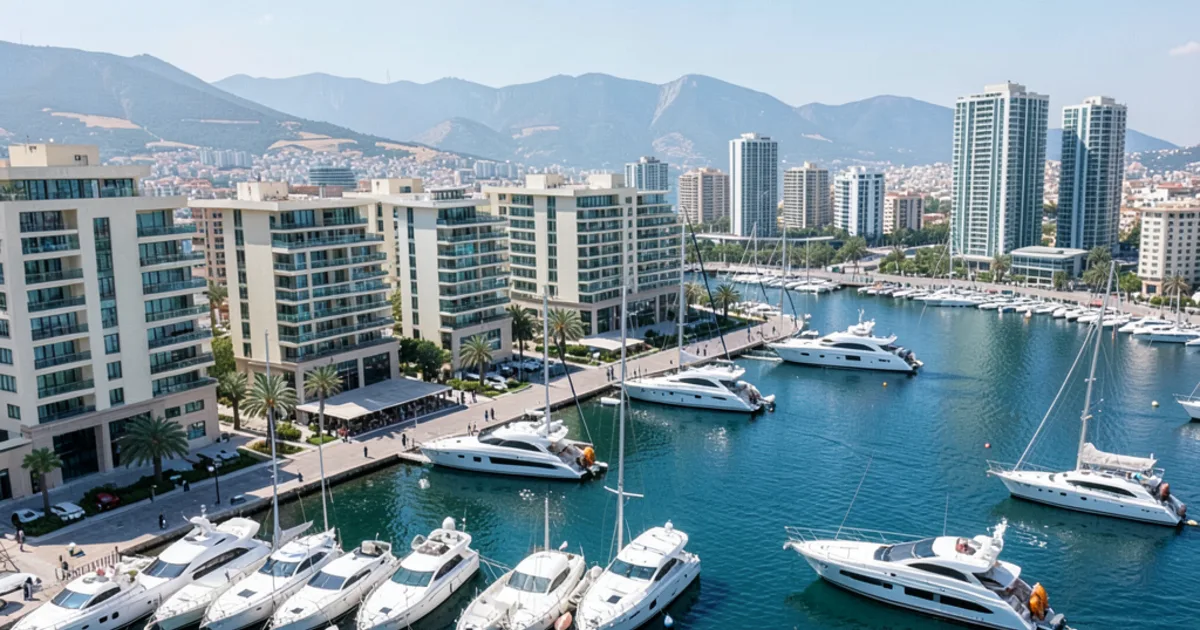
For the modern young professional, the Israeli real estate market offers a unique intersection of technological growth and urban evolution. As the nation continues to solidify its position as a global high-tech hub, certain geographic pockets are emerging as clear winners for long-term investment. This guide explores the most strategic cities to target, focusing on areas where rental demand meets high potential for capital appreciation.
- Understanding the Young Professional Investor Profile
- The Economic Engine: The Tel Aviv Metropolitan Area
- The Stability of Jerusalem: A Unique Market
- The Growth Frontier: Beer Sheva and the South
- Coastal Opportunities: Netanya and Ashdod
- Key Investment Metrics: Yield vs. Appreciation
- Mastering the Financial Costs: Taxes and Mortgages
- The Legal Framework: From Tabu to Binding Memorandums
- Operational Realities: Managing Your Israeli Asset
- Infrastructure: The Driver of Future Value
- Strategic Approaches: Long-term vs. Short-term
- Risk Mitigation and Due Diligence
Understanding the Young Professional Investor Profile
The young professional investor in Israel typically seeks a balance between lifestyle and long-term financial security. Unlike traditional investors who may focus solely on high-yield rural land, this demographic prioritizes urban connectivity and proximity to economic engines. They are often looking for properties that can either serve as a future primary residence or as high-demand rental units for their peers. This necessitates a deep understanding of where the workforce is migrating.
Demographic trends suggest that this group is increasingly driven by the 'Silicon Wadi' effect, where proximity to tech campuses dictates property value. These investors are often well-educated, tech-savvy, and highly mobile, meaning they value amenities like public transport, coworking spaces, and vibrant culinary scenes. Consequently, an investment in a city lacking these urban elements may face higher vacancy rates or slower appreciation. Understanding these lifestyle drivers is the first step in a successful strategy.
Furthermore, many young professionals are navigating the complexities of being both residents and investors. Whether they are local tech workers or international professionals moving to Israel, they must account for specific local nuances such as the need for an ulpan to integrate socially or the importance of proximity to international transit hubs. A successful investment strategy aligns the property's location with the movement of this high-earning, high-mobility class. By targeting their needs, you secure a reliable tenant base.
- High mobility and demand for urban amenities
- Prioritization of proximity to high-tech hubs
- Focus on long-term capital appreciation and liquidity
The Economic Engine: The Tel Aviv Metropolitan Area
The Tel Aviv metropolitan area, often referred to as Gush Dan, remains the undisputed heart of Israel's economic activity. For a young professional, this region offers unparalleled liquidity, meaning properties can often be bought and sold with relative ease compared to more remote areas. The concentration of multinational corporations and startups creates a constant influx of high-earning individuals seeking housing. This demand is the primary driver of the area's sustained value.
While the entry price in central Tel Aviv can be quite high, many investors look toward satellite cities like Ramat Gan, Bnei Brak, or even parts of Petah Tikva. These areas offer a more accessible price point while still providing excellent connectivity to the central business district. The expansion of public transport infrastructure in these cities makes them highly attractive to the workforce that works in Tel Aviv but prefers more manageable living costs. This creates a robust secondary market for rental properties.
Investing in this region requires a nuanced approach to asset selection, focusing on areas undergoing urban renewal. Many older neighborhoods are being revitalized through large-scale development projects, which can significantly boost property values over time. However, investors must be mindful of the high competition and the premium associated with these locations. A well-chosen apartment in a growing suburb of Gush Dan can offer a sophisticated mix of rental yield and long-term growth.
- Unmatched liquidity and market activity
- Strong rental demand from the tech-driven workforce
- High potential through urban renewal projects
The Stability of Jerusalem: A Unique Market
Jerusalem presents a different, yet equally compelling, investment profile compared to the coastal center. As the political and religious capital, it offers a level of institutional stability that is rare in many global markets. The city attracts a diverse population, ranging from government officials and academics to a massive student body. This diversity ensures a consistent and multifaceted rental market that is less sensitive to the fluctuations of a single industry.
For the young professional, Jerusalem offers a blend of historical charm and modern development. While certain neighborhoods are steeped in tradition, new residential projects are constantly expanding the city's footprint. These new developments often cater specifically to young families and professionals who desire modern amenities and better parking solutions. Investing in these emerging residential zones can provide a hedge against the more volatile sectors of the market.
The rental demand in Jerusalem is particularly resilient due to the constant influx of students and international residents. This creates a steady stream of short-to-medium-term rental opportunities, which can be highly lucrative if managed correctly. However, investors should be aware of the specific municipal regulations and the unique character of different neighborhoods. A balanced portfolio in Jerusalem often involves a mix of stable, traditional areas and high-growth, modern developments.
- High institutional and economic stability
- Diverse tenant base including students and professionals
- Resilient rental demand across various demographics
The Growth Frontier: Beer Sheva and the South
If an investor is looking for higher potential growth with a lower initial capital outlay, the southern region, particularly Beer Sheva, is worth serious consideration. Often overlooked by those focused on the center, Beer Sheva is the gateway to the Negev and is undergoing significant transformation. The presence of Ben Gurion University and various research institutes creates a massive, consistent demand for housing among students and academic professionals. This demographic is a cornerstone of the local rental market.
The government's focus on developing the south as a high-tech and industrial hub is a major tailwind for real estate. As more companies move their operations to the Negev to take advantage of lower costs and available space, the professional population in Beer Sheva is expected to grow. This shift from a student-centric economy to a professional-centric one is a classic indicator of long-term capital appreciation potential. Early movers in this market may benefit significantly from this structural shift.
While the risks in the periphery can be higher than in the center, the rewards in Beer Sheva can be substantial. Investors should focus on properties that are close to university campuses or the emerging high-tech parks. It is also wise to monitor municipal development plans to see where new infrastructure is being prioritized. For a young professional with a long-term horizon, the southern frontier offers a compelling risk-reward profile.
- Lower entry costs compared to the center
- Strong demand driven by academic and research institutions
- Significant growth potential via government-led development
Coastal Opportunities: Netanya and Ashdod
The Israeli coastline offers a unique lifestyle-driven investment opportunity that appeals to both locals and international buyers. Cities like Netanya and Ashdod provide a blend of coastal living and urban convenience that is highly sought after. Netanya, in particular, has become a hub for many expats and retirees, but it also maintains a strong professional population. This dual demand makes it a versatile market for various investment strategies.
Ashdod, with its massive port and growing logistics sector, serves as a powerhouse for the Israeli economy. The city is expanding rapidly, with new residential districts being built to accommodate the growing workforce. For the young professional, Ashdod offers a more modern urban experience with significant infrastructure investment. The proximity to both the sea and the economic activity of the port creates a unique value proposition for rental properties.
When investing in coastal cities, it is important to distinguish between holiday-home potential and year-round rental demand. While beachfront properties may offer high short-term yields through tourism, properties located near transport links and business centers often provide more stable, long-term returns. A diversified approach that considers both the lifestyle appeal and the economic drivers of these cities will yield the best results. Always evaluate the local municipality's long-term urban planning for these coastal hubs.
- High appeal for both domestic and international renters
- Strong economic drivers in port and logistics sectors
- Balance of lifestyle amenities and urban growth
Key Investment Metrics: Yield vs. Appreciation
A critical distinction for any investor is the difference between rental yield and capital appreciation. Rental yield refers to the annual income generated by a property relative to its purchase price, essentially the 'cash flow' of the investment. High-yield areas are often found in the periphery or in student-heavy cities like Beer Sheva. These areas may not see the massive price jumps seen in Tel Aviv, but they provide steady, predictable income.
Capital appreciation, on the other hand, is the increase in the property's market value over time. This is the primary goal for many investors in the Gush Dan region, where property values have historically trended upward significantly. While the immediate rental yield might be lower due to high purchase prices, the long-term wealth creation comes from the property's increased worth. Young professionals often choose between these two paths based on their current liquidity and long-term goals.
A sophisticated strategy often involves looking for 'hybrid' opportunities, areas where you can achieve a respectable yield while still benefiting from growth. This might mean looking at emerging neighborhoods in the center that are not yet priced at peak levels. Understanding your own risk tolerance and financial objectives is essential before deciding whether to prioritize monthly cash flow or long-term equity growth. Both paths are valid, but they require different geographic focuses.
- Rental Yield: Focus on cash flow and immediate income
- Capital Appreciation: Focus on long-term wealth and value growth
- Hybrid Strategy: Balancing both for optimal risk-adjusted returns
Mastering the Financial Costs: Taxes and Mortgages
Entering the Israeli real estate market requires a clear understanding of the associated costs beyond the sticker price. One of the most significant is Mas Rekhisha, the purchase tax. This tax is calculated based on the property value and can vary depending on whether the buyer is a first-time resident or an investor. It is crucial to factor this into your initial budget, as it can represent a substantial percentage of the total acquisition cost.
Once you eventually sell the property, you will encounter Mas Shevah, which is the capital gains tax. This tax is applied to the profit made on the sale and is a key factor in calculating your actual return on investment. Understanding how this tax is structured, especially for different types of properties and residency statuses, is vital for long-term planning. You should always consult with a professional to ensure your exit strategy is tax-efficient.
Financing is another pillar of the investment process. Most investors utilize a Mashkanta, which is a mortgage from a local bank. The terms of these mortgages, including interest rates and repayment periods, will directly impact your monthly cash flow and overall profitability. It is important to maintain a healthy debt-to-equity ratio and to understand how interest rate fluctuations might affect your ability to service the debt. Proper financial planning ensures your investment remains sustainable.
- Mas Rekhisha (Purchase Tax): Essential for initial budgeting
- Mas Shevah (Capital Gains Tax): Critical for exit strategy planning
- Mashkanta (Mortgage): The primary tool for leveraging investment
The Legal Framework: From Tabu to Binding Memorandums
Navigating the legal landscape is non-negotiable for a secure real estate investment. The first step in verifying ownership is checking the Tabu land registry. The Tabu is the official government record that confirms who legally owns a piece of land or a building. Ensuring the property is properly registered in the Tabu protects you from fraudulent claims and ensures that the seller has the legal right to transfer the title to you.
Before any significant funds are exchanged, you will likely be required to sign a binding memorandum, often referred to locally as a Hovot Kones. This document outlines the terms of the sale and creates a legal obligation for both parties. However, signing this document carries significant weight and should never be done without professional legal review. A lawyer will ensure that the terms are fair and that you are protected against potential breaches of contract by the developer or seller.
A professional legal process should also include a thorough investigation of any existing liens or encumbrances on the property. This includes checking for unpaid municipal taxes (Arnona) or legal disputes that could affect your ownership. Working with a qualified lawyer and a notary ensures that every step of the transaction is documented and legally sound. This due diligence is the best defense against the unexpected complications that can arise in real estate.
- Tabu Land Registry: The ultimate proof of ownership
- Hovot Kones (Binding Memorandum): A high-stakes legal commitment
- Due Diligence: Essential verification of liens and municipal status
Operational Realities: Managing Your Israeli Asset
Owning an investment property involves more than just the initial purchase; it requires ongoing operational management. One of the recurring costs is Arnona, the municipal property tax. This tax is paid to the local municipality and is based on the size and location of the property. It is an essential part of your annual budget and must be managed to avoid penalties or legal issues with the local government.
For investors who do not live in Israel, finding a reliable property management solution is vital. A professional manager can handle tenant screening, rent collection, and maintenance requests. This is especially important for maintaining the quality of the asset and ensuring consistent rental income. While management fees will reduce your net yield, the peace of mind and the ability to manage a remote portfolio make it a necessary expense.
Maintenance and repairs are also a key consideration. Israeli buildings can vary significantly in quality, and older structures may require more frequent attention. Being proactive with maintenance not only keeps your tenants happy but also protects the long-term value of your property. A well-maintained asset is much easier to rent and much more likely to appreciate in value over time. Treat your investment as a living asset that requires regular care.
- Arnona: Mandatory municipal tax for all property owners
- Property Management: Essential for remote or hands-off investing
- Maintenance: Crucial for tenant retention and value preservation
Infrastructure: The Driver of Future Value
Infrastructure development is one of the most reliable indicators of future real estate appreciation. When a government announces new transport links, such as light rail extensions or new highway interchanges, property values in the affected areas often rise in anticipation. For a young professional, looking at where the next major transport hub is being built can provide a significant competitive advantage. These developments connect previously isolated areas to the economic centers.
The expansion of the public transport network, particularly in the Gush Dan and Jerusalem areas, is a major driver of urban density and value. Improved connectivity makes a neighborhood more attractive to the working class, thereby increasing the demand for rental units. As more people move away from car dependency, properties located near rail stations or major bus corridors become premium assets. Always research the municipality's long-term infrastructure roadmap.
Beyond transport, consider other types of infrastructure such as new commercial zones, shopping centers, or educational campuses. These developments create a 'multiplier effect' that boosts the local economy and increases the desirability of nearby residential areas. A city that is actively investing in its infrastructure is a city that is preparing for growth. Aligning your investment with these development trends is a hallmark of a sophisticated investor.
- Transport Links: The primary driver of urban connectivity
- Public Transit: Increases desirability and rental demand
- Commercial Development: Creates economic multipliers for property value
Strategic Approaches: Long-term vs. Short-term
Investors must decide whether their strategy is geared toward short-term gains or long-term wealth accumulation. A short-term strategy might involve 'flipping' properties, buying in an undervalued area, performing minor renovations, and selling quickly. While this can offer rapid returns, it carries higher risks, especially regarding market timing and unexpected renovation costs. It requires a very active and hands-on approach.
A long-term strategy is typically more passive and focuses on the 'buy and hold' model. This involves acquiring high-quality assets in growing cities and holding them for many years to benefit from both rental income and steady capital appreciation. This approach is often more suitable for young professionals who want to build a stable portfolio over time. It allows the power of compounding and market growth to work in your favor.
There is also the option of targeting the short-term rental market, such as through holiday or corporate rentals. This can yield much higher monthly income than traditional long-term leases, but it also comes with higher operational complexity and more frequent turnover. This strategy is best suited for properties in high-demand areas like Tel Aviv or Netanya. Ultimately, your choice should depend on your available time, your capital, and your desired level of involvement.
- Short-term: High activity, potential for quick returns, higher risk
- Long-term: Passive wealth building, stability, and compounding
- Short-term Rental: High yield, high management intensity
Risk Mitigation and Due Diligence
No real estate investment is without risk, and the Israeli market is no exception. To mitigate these risks, thorough due diligence is your most important tool. This goes beyond just looking at the property itself; it involves researching the local market trends, the municipality's plans, and the legal history of the asset. Never rely on a single source of information; always cross-reference your findings.
One common pitfall is overestimating potential rental yields or underestimating the costs of ownership. Always use conservative estimates when calculating your expected returns. Factor in vacancies, maintenance, management fees, and taxes like Arnona and Mas Shevah. A realistic financial model will prevent you from making an investment that looks good on paper but fails in practice. Prudence is the mark of a successful investor.
Finally, always work with a network of trusted professionals. This includes a qualified lawyer, a reputable local agency, and potentially a tax advisor. These experts can spot red flags that an untrained eye might miss, such as issues in the Tabu or irregularities in the binding memorandum. While professional services cost money, they are an essential investment in your own security and the success of your real estate journey.
- Comprehensive Due Diligence: The foundation of risk management
- Conservative Financial Modeling: Avoiding over-optimistic projections
- Professional Networks: Utilizing experts to safeguard your capital
FAQ
How does Mas Rekhisha affect my initial investment budget?
Mas Rekhisha, or purchase tax, is a mandatory cost that must be paid at the time of transaction. It is calculated based on the property value and your status as a buyer, so it can significantly increase your total acquisition cost beyond the property price itself.
What is the importance of the Tabu land registry?
The Tabu is the official government registry that confirms legal ownership of a property. Checking the Tabu is a critical step in due diligence to ensure there are no undisclosed liens, debts, or legal disputes affecting the title.
Can I use a Mashkanta to finance an investment property?
Yes, a Mashkanta (mortgage) is a common way to finance real estate in Israel, including investment properties. However, the terms and interest rates may differ depending on whether the property is your primary residence or a rental asset.
Why should I look at infrastructure developments when choosing a city?
Infrastructure projects like new light rail lines or highway expansions act as major catalysts for property value appreciation. These developments increase connectivity and desirability, making the surrounding areas more attractive to the workforce.
What is the difference between rental yield and capital appreciation?
Rental yield is the annual income you receive from rent relative to the property's price, providing immediate cash flow. Capital appreciation is the increase in the property's market value over time, which builds long-term wealth.
Get your personalised shortlist
Listings and up-to-date info, straight to your inbox, free, no obligation.
Get my shortlist →