Buying land in Israel to build a private villa
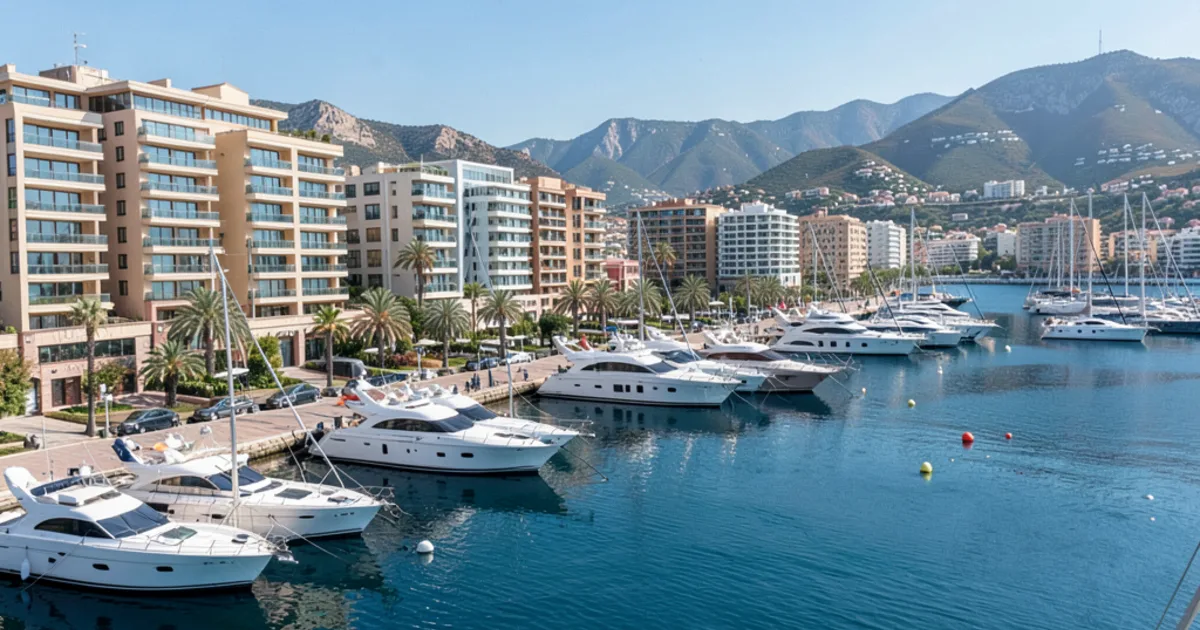
The aspiration to build a custom private villa in Israel often begins with a vision of Mediterranean vistas and architectural elegance. However, transitioning from a dream to a physical structure requires navigating one of the most complex real estate and legal landscapes in the Middle East. For those looking to acquire land specifically for custom construction, the process involves much more than a simple purchase agreement. It requires a strategic approach to land registry, municipal zoning, and long-term financial planning to ensure your investment is secure and your building permits are attainable.
- Understanding Land Ownership and Registry Systems
- Deciphering Zoning Laws and Planning Permissions
- Conducting Comprehensive Due Diligence on a Plot
- The Legal Weight of the Binding Memorandum
- Managing Tax Obligations and Transaction Costs
- Navigating the Building Permit Process (Heter Bniya)
- Assessing Physical Suitability and Infrastructure
- Financing Land Acquisition and Villa Construction
- Choosing Between Urban Plots and Rural Moshav Lands
- Legal Nuances for Foreign Residents and Investors
- Long-term Ownership and Municipal Responsibilities
Understanding Land Ownership and Registry Systems
Before you commit to a plot of land, you must first understand the fundamental nature of land ownership in Israel. The most secure form of ownership is registered in the Tabu, which is the official Land Registry. When a property is registered in the Tabu, the buyer receives a clear, state-guaranteed title that confirms their absolute rights to the land. This is the gold standard for any investor looking to build a permanent residence, as it provides the highest level of legal certainty regarding boundaries and ownership.
However, not all land in Israel is held in the same manner. A significant portion of the country's land is managed by the Israel Land Authority (ILA), also known as the Sokhnut. In many cases, instead of outright ownership, you may be entering into a long-term leasehold agreement. While these leases are highly regulated and generally very secure, they differ from Tabu ownership in how they are transferred and how they impact your long-term estate planning. It is vital to determine which system the land falls under before proceeding.
Navigating these distinctions is essential because the type of ownership will dictate your ability to secure financing and your rights to develop the land. For instance, certain types of leased land may have specific restrictions on what can be built or how the land can be used. An expert legal professional will conduct a thorough investigation to ensure that the title is clean and that there are no unexpected claims from the state or third parties. This initial step forms the bedrock of your entire construction project.
- Tabu Land Registry: Provides absolute ownership and state-guaranteed title.
- Israel Land Authority (ILA): Manages land through long-term leasehold agreements.
- Title Search: A mandatory step to identify any existing liens or encumbrances.
Deciphering Zoning Laws and Planning Permissions
Zoning is perhaps the most critical factor when selecting land for a villa. In Israel, land use is governed by a hierarchical planning system that dictates exactly what can be built, how high, and what the footprint of the structure can be. You might find a stunning plot of land that looks perfect for a villa, but if it is zoned for agriculture or public use, your plans for a private residence will be legally impossible. Therefore, you must look beyond the physical beauty of the land and into the municipal planning documents.
The planning process involves several layers, starting with the National Outline Plan and moving down to the local level. The two most important documents for a villa builder are the 'Tz Plan' (Master Plan) and the 'Hez Plan' (Detailed Plan). The Tz Plan sets the general direction for a region, while the Hez Plan provides the granular details required for actual construction. The Hez Plan will specify the building rights, setbacks from property lines, and the maximum density allowed on that specific plot.
It is common for buyers to assume that because a piece of land is located in a residential area, they have the right to build whatever they imagine. This is a dangerous misconception. Even within residential zones, there may be strict limitations on the style of architecture, the height of the villa, or the percentage of the plot that can be covered by structures. Always consult with a local architect or a planning expert to verify that your specific vision aligns with the existing municipal regulations before signing any contracts.
- Tz Plan (Master Plan): Defines the general land use for a large area.
- Hez Plan (Detailed Plan): Provides specific building rights and dimensions.
- Zoning Verification: A mandatory check to ensure the land is designated for residential use.
Conducting Comprehensive Due Diligence on a Plot
Due diligence is the process of uncovering any hidden legal or physical issues that could derail your construction project. In the context of buying land in Israel, this goes far beyond a simple visual inspection. You must ensure that the land is free from any 'shichur' or liens, which are legal encumbrances that might give a third party a claim over the property. These liens could stem from unpaid debts, mortgage obligations, or even historical legal disputes that have not been resolved.
Physical due diligence is equally important. A plot of land might appear flat and ready for building, but a professional survey might reveal significant topographical challenges or soil issues. For a luxury villa, the cost of excavation, retaining walls, and specialized foundations can increase significantly if the terrain is difficult. Furthermore, you must verify that the land is not subject to any environmental protections or archaeological restrictions that could halt construction unexpectedly.
Finally, you must investigate the accessibility and utility connections of the plot. A villa requires robust access for construction vehicles and permanent residents, as well as reliable connections to water, electricity, and sewage systems. If the land is 'off-grid' or lacks immediate access to municipal infrastructure, the cost of bringing these services to the site can be substantial. Never rely solely on the seller's word; always insist on professional reports and official municipal confirmations.
- Legal Search: Checking the Tabu for liens, mortgages, or legal claims.
- Topographical Survey: Assessing the slope and soil stability for construction.
- Infrastructure Check: Confirming availability of water, electricity, and sewage.
The Legal Weight of the Binding Memorandum
In Israel, the purchase of land is finalized through a document known as the binding memorandum. This is not merely a summary of the price; it is a comprehensive legal contract that outlines every condition, obligation, and contingency of the transaction. Because land transactions involve significant capital, the memorandum serves as your primary protection against future disputes. It must be drafted with extreme precision by a qualified attorney to ensure that your interests as a buyer are fully protected.
A well-drafted memorandum will include specific clauses regarding the transfer of rights, the timeline for completion, and the exact description of the land. It should also address what happens if the seller cannot provide a clean title or if the municipality denies a crucial permit. For a buyer intending to build a villa, the memorandum should ideally include contingencies related to the feasibility of the construction plans. This ensures that you are not legally bound to a plot that cannot support your intended home.
It is a common mistake to attempt to use a generic or 'standard' contract provided by a seller or a real estate agency. In the complex world of Israeli land law, a generic contract often fails to account for the specific nuances of zoning or the unique requirements of the Tabu. You should always have your own independent legal counsel review and draft the memorandum. This professional oversight is a small price to pay compared to the potential costs of a legal battle over a flawed contract.
Managing Tax Obligations and Transaction Costs
Buying land is a significant financial undertaking that involves more than just the purchase price. You must budget for various taxes and fees that are standard in the Israeli real estate market. The most prominent of these is the Mas Rekhisha, or purchase tax. This tax is levied on the buyer and is calculated based on a tiered structure that depends on the total value of the property. For high-value plots intended for luxury villas, this tax can represent a substantial portion of your initial capital outlay.
On the other side of the transaction, the seller is typically responsible for Mas Shevah, which is the capital gains tax. While this is technically the seller's obligation, it is important to understand how it impacts the negotiation process and the overall market dynamics. In some instances, tax disputes or delays in paying these levies can complicate the transfer of title in the Tabu, so ensuring that all tax obligations are clearly defined in the memorandum is essential for a smooth closing.
Beyond direct taxes, you should also account for professional fees and administrative costs. These include the fees for your lawyer, the costs of conducting official searches in the land registry, and potentially the fees for a notary if required for certain international transactions. It is wise to maintain a contingency fund to cover these miscellaneous expenses, ensuring that your transition from land buyer to villa builder remains financially stable and predictable.
- Mas Rekhisha (Purchase Tax): A tiered tax paid by the buyer based on property value.
- Mas Shevah (Capital Gains Tax): A tax on the profit made by the seller.
- Professional Fees: Legal, notary, and survey costs that must be budgeted.
Navigating the Building Permit Process (Heter Bniya)
Once you have secured the land and completed the purchase, the next major hurdle is obtaining the Heter Bniya, or the official building permit. This permit is the municipality's authorization for you to begin construction according to your approved architectural plans. The process of obtaining this permit can be lengthy and requires meticulous coordination between your architect, engineers, and the local planning committee. It is not a single event but a multi-stage progression of approvals.
The permit process begins with the submission of detailed architectural drawings that must comply with all local zoning laws, including height restrictions, setbacks, and aesthetic guidelines. The municipality will review these plans to ensure they do not negatively impact the surrounding neighborhood, infrastructure, or environmental health. During this stage, you may be required to make revisions to your design to meet local requirements, so flexibility and professional guidance are key to avoiding prolonged delays.
It is also important to understand that obtaining a permit is not the end of the regulatory journey. Once construction begins, municipal inspectors may visit the site to ensure that the build adheres strictly to the approved plans. Any deviation from the permitted design can lead to heavy fines or even orders to demolish non-compliant structures. Therefore, maintaining a close relationship with your architect and ensuring they are well-versed in local municipal procedures is vital for the successful completion of your villa.
Assessing Physical Suitability and Infrastructure
The physical characteristics of the land can have a profound impact on both the design and the ultimate cost of your villa. When looking at plots, especially in the hilly regions of the north or the central districts, topography is a primary concern. A dramatic view is often the main reason for choosing a specific plot, but a steep slope requires complex engineering, such as retaining walls and specialized drainage systems. These requirements can add significant layers of complexity to your construction budget.
Soil quality and stability must also be evaluated through professional geotechnical reports. If the ground is composed of loose soil or unstable rock, the foundation of your villa will require more intensive and expensive reinforcement. This is particularly important for large, heavy structures like luxury villas, where structural integrity is paramount. Ignoring these physical realities during the land acquisition phase can lead to catastrophic and expensive structural issues later in the building's lifecycle.
Infrastructure availability is the final piece of the physical assessment. You must confirm that the plot has direct, legal access to the municipal grid for water, electricity, and sewage. In some rural or developing areas, you may find land that is beautiful but requires expensive extensions of existing utility lines to reach the property. Always verify these connections through official channels to ensure that the cost of bringing infrastructure to your site is fully understood before you finalize the purchase.
Financing Land Acquisition and Villa Construction
Financing the purchase of land and the subsequent construction of a villa requires a different approach than financing a standard residential home. In Israel, obtaining a Mashkanta, or mortgage, for land can be more challenging and often requires a higher down payment than for an existing property. Banks view land as a higher-risk asset because the value is tied to future development and the successful completion of construction, which introduces various variables and uncertainties.
Many buyers choose to utilize a construction loan, which is a specialized type of financing that is released in stages as different milestones of the building process are met. This ensures that the funds are used appropriately and provides the lender with security as the value of the asset increases through development. However, managing these loans requires disciplined financial planning and close coordination with your contractor to ensure that construction milestones are reached on time and within budget.
For international investors or those with complex financial structures, it is important to consult with a mortgage specialist who understands the nuances of the Israeli banking system. They can help you structure your financing to optimize interest rates and repayment terms. Remember that your ability to secure a mortgage is often tied to your residency status and your proven income within the local economy, so preparing your financial documentation well in advance is a prudent move.
Choosing Between Urban Plots and Rural Moshav Lands
The lifestyle you envision for your villa will largely dictate whether you choose an urban plot or a rural setting, such as a Moshav or a Kibbutz. Urban plots in established cities offer proximity to amenities, schools, and transportation, making them ideal for those who want a blend of luxury and convenience. However, urban land is often more expensive, and you may face more stringent architectural restrictions to maintain the character of the neighborhood.
On the other hand, buying land in a Moshav or a rural community offers a sense of tranquility and space that is hard to find in the city. These areas are highly sought after for private villas, providing a more secluded and nature-oriented lifestyle. However, it is crucial to understand that Moshavim are communal organizations with their own sets of rules and membership requirements. You are not just buying a plot of land; you are often applying to join a community that may have specific regulations regarding residency and land use.
When considering a rural purchase, you must investigate the specific bylaws of the community and how they interact with municipal zoning. Some Moshavim may have limits on the number of residents or specific requirements for the type of agricultural or residential activity allowed on the land. A thorough investigation of the community's governance structure will ensure that your dream of a rural villa does not conflict with the collective interests of the community members.
Legal Nuances for Foreign Residents and Investors
Foreign residents face a unique set of considerations when purchasing land in Israel. While there are generally no prohibitions against foreigners owning land for residential purposes, the legal process can involve additional layers of scrutiny. It is essential to ensure that your identity and your right to hold property are clearly documented and recognized by the Tabu. This is especially important if you are managing the purchase from abroad and cannot be physically present for every stage of the transaction.
Working with a local legal team that is experienced in handling international clients is a necessity. They will be able to navigate the complexities of cross-border fund transfers, ensure compliance with local tax laws, and manage the signing of documents through a notary in a way that is legally binding in Israel. Having a local representative who can act as your eyes and ears on the ground is one of the most effective ways to mitigate risk and ensure that the transaction proceeds according to your instructions.
Furthermore, you should be aware of any potential implications regarding your tax residency. Purchasing property in Israel can sometimes trigger complex tax obligations in your home country, and vice versa. It is highly recommended to consult with a tax professional who understands international tax treaties to ensure that you are optimizing your position and avoiding any unexpected double taxation or reporting errors.
Long-term Ownership and Municipal Responsibilities
Once your villa is completed and you have moved in, your responsibilities shift from construction management to long-term property maintenance and municipal compliance. One of the primary ongoing costs is the Arnona, which is the local municipal property tax. The Arnona is calculated based on the size of the property, its location, and its use. For a large villa, the Arnona can be a significant recurring expense, and it is important to budget for this as part of your annual household costs.
Maintaining a custom villa also requires a commitment to regular upkeep. From landscaping and pool maintenance to the structural integrity of the building itself, the costs of preserving a luxury property can be substantial. Additionally, you must remain aware of any changes in local municipal regulations that might affect your property. For example, new zoning laws or community bylaws could impact how you use your outdoor spaces or how you manage your property's exterior.
Finally, being a property owner in Israel means being part of a local ecosystem. Whether you are in an urban neighborhood or a rural Moshav, your property is subject to local environmental and noise regulations. Being a responsible member of the community and staying informed about local municipal developments will help ensure that your villa remains a peaceful and prestigious sanctuary for many years to come.
FAQ
Can a foreigner buy land in Israel to build a house?
Yes, foreign residents can generally purchase land in Israel for residential purposes. However, it is essential to verify if the land is held in the Tabu or managed by the Israel Land Authority, as this can affect the terms of your ownership and your ability to use the land as collateral for a mortgage.
What is the most important document to check before buying land?
The most critical step is to verify the land's status in the Tabu land registry. You must ensure the title is clean and free of any liens, encumbrances, or legal claims that could interfere with your ownership or your ability to obtain building permits.
How much should I budget for taxes when buying land?
You should budget for the Mas Rekhisha (purchase tax), which is a tiered tax based on the property value. Additionally, you must account for legal fees, notary costs, and potential administrative fees associated with the transaction to avoid unexpected financial strain.
How long does it take to get a building permit in Israel?
The timeline for obtaining a Heter Bniya can vary significantly depending on the complexity of your design and the local municipality's workload. It is a multi-stage process that involves detailed architectural reviews, and it is wise to factor several months or even longer into your overall project timeline.
Do I need a lawyer to buy land in Israel?
Yes, hiring a qualified local lawyer is essential for any land transaction in Israel. A lawyer will draft the binding memorandum, conduct the necessary due diligence in the Tabu, and ensure that your legal and financial interests are fully protected throughout the process.
Get your personalised shortlist
Listings and up-to-date info, straight to your inbox, free, no obligation.
Get my shortlist →