What are the pros and cons of buying a new build apartment in Modi'in vs. a resale for a young family?
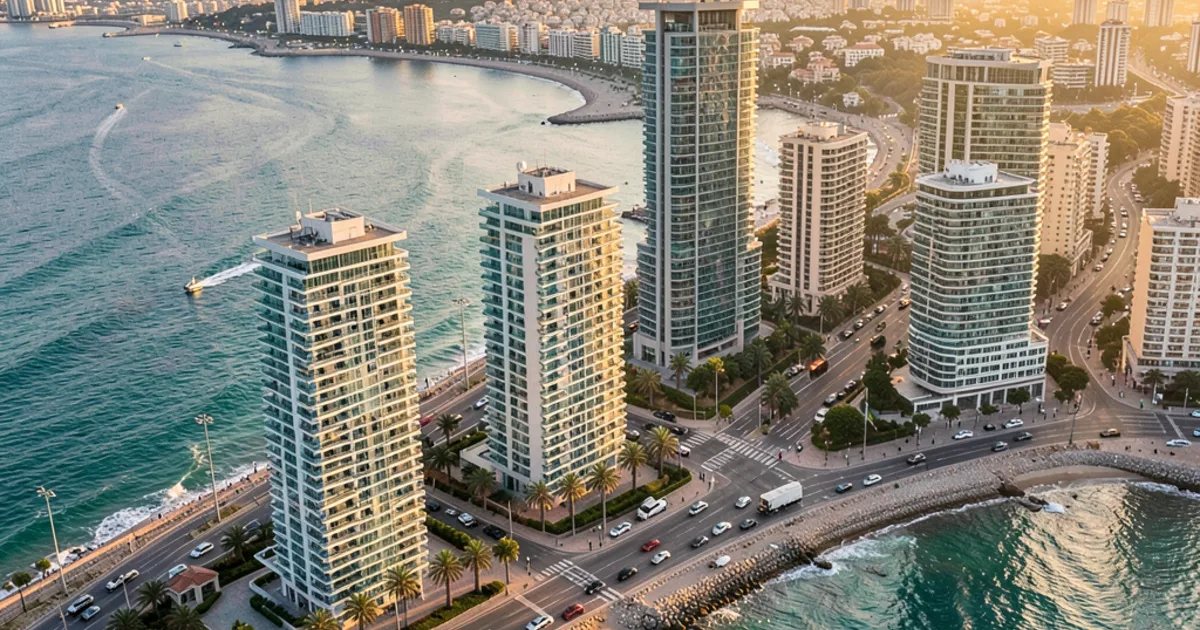
Modi'in, with its family-friendly atmosphere, excellent schools, and strategic location between Tel Aviv and Jerusalem, has become a highly sought-after destination for young families seeking to establish roots in Israel. When embarking on the journey of purchasing a home in this vibrant city, one of the most fundamental decisions you'll face is whether to opt for a brand-new apartment or a pre-owned, resale property. This comprehensive guide, crafted by the experts at BuyPropertyIsrael, will meticulously break down the pros and cons of each option, offering invaluable insights tailored specifically for young families looking to make Modi'in their home.
- Understanding the Unique Appeal of Modi'in for Young Families
- The Allure of a New Build Apartment: Fresh Starts and Modern Living
- The Practicalities and Pitfalls of New Build Purchases
- The Enduring Value of a Resale Apartment: Established Charm and Immediate Occupancy
- Navigating the Challenges of Resale Property Acquisition
- Financial Implications: Purchase Tax (Mas Rekhisha) and Mortgage (Mashkanta)
- Lifestyle and Community Integration for Young Families
- Long-Term Value and Investment Potential
- Customization vs. Turnkey Living: Tailoring Your Home
- The Role of Professional Guidance: Lawyers, Agents, and Mortgage Brokers
- Making the Right Choice for Your Young Family in Modi'in
Understanding the Unique Appeal of Modi'in for Young Families
Modi'in-Maccabim-Re'ut, often simply referred to as Modi'in, is a planned city renowned for its high quality of life, green spaces, and family-centric infrastructure. Its design incorporates numerous parks, playgrounds, and well-maintained public areas, making it an ideal environment for raising children. The city boasts an impressive array of educational institutions, from nurseries and kindergartens to highly regarded primary and secondary schools, many of which are within walking or cycling distance from residential areas.
Beyond its educational offerings, Modi'in provides a secure and community-oriented atmosphere that resonates deeply with young families. The city consistently ranks high in national surveys for resident satisfaction and safety, fostering a sense of belonging and peace of mind. Its excellent public transportation links and proximity to major highways also ensure convenient commutes for parents working in Tel Aviv or Jerusalem, reducing daily stress and maximizing family time.
Furthermore, Modi'in offers a growing commercial infrastructure with shopping centers, cultural venues, and diverse dining options, ensuring that residents have access to all necessary amenities without having to travel far. The emphasis on sustainable development and well-planned neighborhoods contributes to a cohesive urban fabric, creating an environment where families can thrive and children can grow up in a supportive and stimulating setting. This strong foundation makes the decision between a new build and a resale even more critical, as it impacts how a family integrates into and benefits from all that Modi'in has to offer.
The Allure of a New Build Apartment: Fresh Starts and Modern Living
A new build apartment in Modi'in often represents the dream of a fresh start, offering state-of-the-art design, modern amenities, and the peace of mind that comes with a brand-new construction. These properties are typically built to contemporary standards, incorporating energy-efficient systems, smart home technologies, and layouts optimized for modern family living. For young families, the appeal of being the first occupants, free from the wear and tear of previous owners, is a significant draw.
Developers in Modi'in often incorporate family-friendly features into new projects, such as communal playgrounds, swimming pools, and dedicated green spaces within the building complex. These amenities foster a strong sense of community among residents, particularly beneficial for young parents looking to connect with others in similar life stages. The absence of immediate repair needs and the presence of developer warranties provide a financial and emotional buffer, allowing families to settle in without the immediate burden of unexpected maintenance costs.
Furthermore, new build projects are frequently part of larger, master-planned neighborhoods, meaning that the surrounding infrastructure, including roads, sidewalks, and public services, is also new and designed for efficient living. This can translate into a more aesthetically pleasing and functional environment, with less congestion and better accessibility to local amenities. The opportunity to select finishes and customize certain aspects of the interior, even if within predefined options, also adds a personal touch that is highly valued by many buyers.
The Practicalities and Pitfalls of New Build Purchases
While new builds offer numerous advantages, the purchasing process can be complex and requires careful navigation. Buyers often sign a 'binding memorandum' (Zichron Devarim) or a detailed sales agreement with the developer, which outlines payment schedules tied to construction milestones. It's crucial to have independent legal representation to review these contracts thoroughly, as they are typically drafted in favor of the developer. Understanding the nuances of these agreements, including penalty clauses for delays or changes, is paramount.
One significant aspect to consider is the waiting period. New build apartments are often purchased 'off-plan,' meaning construction may still be underway or even yet to begin. This can mean waiting anywhere from a year to several years before the apartment is ready for occupancy. For young families, this delay can be challenging, requiring interim housing solutions and careful financial planning to cover both current living expenses and mortgage payments on the new property once they commence. Unforeseen construction delays, while protected by legal frameworks, can add to this stress.
Another potential pitfall is the 'final product' discrepancy. While developers provide detailed plans and renders, the finished apartment might have subtle differences in materials, finishes, or even minor layout adjustments. It's essential to visit the construction site regularly (if permitted) and engage a trusted inspector during the handover process to ensure everything aligns with the contract. Furthermore, while initial costs seem straightforward, 'upgrade' options and potential hidden fees, such as connection fees for utilities, can add to the total expenditure, so a detailed budget is critical.
The Enduring Value of a Resale Apartment: Established Charm and Immediate Occupancy
Resale apartments in Modi'in offer a different kind of appeal, characterized by established neighborhoods, immediate occupancy, and often more negotiable pricing. For young families, the ability to move in relatively quickly can be a huge advantage, especially if they are relocating or need to settle children into new schools without prolonged disruption. These properties are typically located in mature areas with existing infrastructure, meaning amenities like parks, schools, and local shops are already well-established and easily accessible.
Purchasing a resale apartment allows buyers to physically inspect the property, assess its condition, and understand its true dimensions and natural light. There are no surprises regarding the finished product, and you can get a clear sense of the neighborhood's character, traffic patterns, and community dynamics before committing. This transparency can provide a greater sense of security and reduce the anxiety associated with buying an 'unseen' new build.
Furthermore, resale apartments often come with a sense of history and charm that new builds lack. They might feature larger rooms, more generous outdoor spaces (depending on the building's age), and established landscaping. While they may require some renovation or updates, this also presents an opportunity for a young family to personalize the space to their exact tastes and needs, creating a truly bespoke home over time. The potential for negotiation on price, especially in a buyer's market, can also make resales a more financially accessible option for some.
Navigating the Challenges of Resale Property Acquisition
While resale apartments offer immediate gratification, they come with their own set of challenges, primarily centered around potential hidden costs and the need for due diligence. Older properties may require significant renovations, from updating kitchens and bathrooms to replacing plumbing or electrical systems. These costs can quickly accumulate, so a thorough inspection by a qualified professional is not just recommended but essential. Budgeting for these potential expenditures is crucial to avoid financial strain after purchase.
The legal process for resale properties involves checking the 'Tabu' (Israel Land Registry) to verify ownership, liens, and any building violations. It's imperative to engage an experienced real estate lawyer who understands Israeli property law to conduct this due diligence. They will also review the building's management agreement (Ta'am HaBayit) and ensure all municipal debts, such as 'Arnona' (municipal property tax) and water bills, are cleared by the seller before transfer of ownership. Neglecting these checks can lead to significant financial liabilities for the new owners.
Another consideration for resale properties is the potential for wear and tear, and the age of shared building systems. While the individual apartment might be in good condition, older buildings may face upcoming expenses for roof repairs, elevator maintenance, or common area renovations. Understanding the financial health of the building's 'Va'ad Bayit' (homeowners' association) and reviewing past meeting minutes can provide insights into potential future costs. For young families, balancing immediate occupancy with potential future renovation projects requires careful planning and a realistic budget.
Financial Implications: Purchase Tax (Mas Rekhisha) and Mortgage (Mashkanta)
Regardless of whether you choose a new build or a resale, understanding the financial landscape in Israel is critical. 'Mas Rekhisha,' or purchase tax, is a significant upfront cost that varies based on the buyer's residency status, the number of properties they own, and the purchase price. For Israeli residents buying their sole property, there are usually progressive tax brackets with lower rates for the initial portion of the property value, and higher rates above certain thresholds. It's vital to consult with a tax advisor to get an accurate estimate for your specific situation, as these thresholds and rates can be updated periodically.
Securing a 'Mashkanta' (mortgage) is typically a necessity for most families. Israeli banks offer various mortgage products, including fixed-rate, variable-rate, and prime-linked options. The amount you can borrow is generally capped at a certain percentage of the property's value (Loan-to-Value, LTV), which can differ for first-time buyers versus those with existing properties. Banks will assess your income, credit history, and overall financial stability, often requiring extensive documentation. It is highly advisable to get pre-approval for a mortgage before seriously committing to a property, as this clarifies your budget.
Beyond the purchase price and mortgage, buyers must also account for additional costs such as legal fees (typically a percentage of the purchase price), real estate agent commissions (usually a flat percentage plus VAT), and valuation fees if required by the bank. For new builds, there might also be additional connection fees for infrastructure. These ancillary costs can collectively add a substantial amount to the total expenditure, often ranging from several percentage points to over ten percent of the property's value, and must be factored into your overall budget from the outset. Don't forget that if, at some point in the future, you sell the property for a profit, 'Mas Shevah' (capital gains tax) may apply, though there are exemptions for primary residences under certain conditions.
Lifestyle and Community Integration for Young Families
The choice between a new build and a resale can subtly influence a young family's lifestyle and how they integrate into the Modi'in community. New build developments often attract a demographic of similar age and life stage, leading to a natural formation of new communities. Children in these complexes might find many peers living in the same building, fostering easy playdates and shared experiences. However, these communities can sometimes take time to mature, and established social networks might not be immediately present.
Resale properties, particularly in older, well-established neighborhoods, offer immediate entry into an existing community fabric. Neighbors may have lived there for many years, providing a rich tapestry of local knowledge and established social connections. This can be beneficial for young families seeking immediate support networks, but it also means adapting to existing community dynamics rather than helping to shape new ones. The type of building (e.g., small, older building vs. large, modern tower) can also dictate the level of community interaction.
Consider the access to local amenities. New builds are often planned with schools, parks, and shopping centers in mind, but these might still be under construction or newly opened when you move in. Resale properties, especially in central Modi'in, typically have immediate access to mature parks, established schools, and a variety of local businesses that have been serving the community for years. Evaluate which scenario best aligns with your family's need for immediate access versus the potential for growth and development in a newer area.
- New builds: Potential for instant community with families of similar age, but might lack established social networks.
- Resales: Immediate integration into existing, often diverse, community with established amenities.
- Consider proximity to desired schools, playgrounds, and family services in both scenarios.
Long-Term Value and Investment Potential
From an investment perspective, both new builds and resale properties in Modi'in offer potential for appreciation, given the city's continuous growth and desirability. New builds often benefit from the 'newness premium' and the inherent value of modern construction and energy efficiency. They are typically built to higher standards and may require less maintenance in the immediate future, which can be attractive to future buyers. The planned nature of new neighborhoods can also contribute to stable property values as infrastructure develops around them.
Resale properties, particularly those in prime, central locations of Modi'in, often hold their value well due to their established position and proximity to key amenities. While they might require renovation, investing in strategic upgrades can significantly boost their market value. The land component of older properties, especially those with larger footprints, can also be a significant factor in long-term appreciation. A property in a highly sought-after, mature neighborhood may offer a more predictable investment trajectory.
The key to long-term value in both cases lies in the location within Modi'in, the quality of construction, and the ongoing demand for family housing in the city. While new builds might see a sharper initial appreciation due to being 'brand new,' well-maintained and strategically renovated resale properties in desirable areas can offer consistent, robust returns. It's crucial to research local market trends, consult with experienced real estate professionals, and consider the unique characteristics of each property and its immediate surroundings when assessing investment potential.
Customization vs. Turnkey Living: Tailoring Your Home
For young families, the ability to customize their living space can be a significant factor in their home-buying decision. A new build often provides the opportunity to select finishes, fixtures, and even minor layout modifications during the construction phase. While choices might be limited to a developer's pre-approved options, this still allows for a degree of personalization that reflects the family's style and functional needs. This can mean choosing specific kitchen cabinets, bathroom tiles, or flooring materials, ensuring the home feels uniquely theirs from day one without the immediate need for major renovations.
Resale properties, conversely, typically come 'as is,' requiring families to either accept the existing aesthetic or undertake renovations after moving in. This can be a double-edged sword: it allows for complete creative freedom and the potential to build a truly bespoke home, but it also involves additional costs, time, and the inconvenience of living in a construction zone. For young families, managing renovation projects with small children can be particularly challenging, demanding careful planning and patience.
Consider your family's capacity for renovation. If you prefer a 'turnkey' solution where you can simply move in and unpack, a new build with pre-selected finishes might be more appealing. If you're eager to put your personal stamp on a property, have a clear vision, and are prepared for the effort and expense of renovation, a resale offers that canvas. It's a balance between immediate convenience and the long-term vision for your family's ideal home.
The Role of Professional Guidance: Lawyers, Agents, and Mortgage Brokers
Navigating the Israeli real estate market, whether for a new build or a resale, requires a team of expert professionals. An experienced real estate lawyer is non-negotiable; they will review all contracts, conduct due diligence on the property's legal status (Tabu), ensure all permits are in order for new builds, and manage the transfer of funds and ownership. Their role is critical in protecting your interests and ensuring a smooth, legally sound transaction, particularly given the nuances of Israeli property law.
A knowledgeable real estate agent specializing in Modi'in can be an invaluable asset. For resale properties, they help identify suitable listings, negotiate on your behalf, and guide you through the viewing process. For new builds, they can provide insights into different developers, upcoming projects, and help clarify the terms of sale. While agents typically charge a commission, their expertise in market conditions, pricing, and local regulations can save you significant time, money, and potential headaches.
Finally, a reputable mortgage broker can simplify the complex process of securing a 'Mashkanta.' They work with multiple banks, compare different loan products, and help you understand the terms and conditions in plain language. A good broker can often negotiate better rates or more favorable terms than an individual might achieve on their own, ensuring you get the most suitable financing for your family's needs. Engaging these professionals early in your search will provide clarity and confidence throughout your home-buying journey.
Making the Right Choice for Your Young Family in Modi'in
The decision between a new build and a resale apartment in Modi'in for a young family is deeply personal, with no single 'right' answer. It hinges on a careful evaluation of your family's priorities, financial capacity, and long-term vision. If immediate occupancy, an established neighborhood, and the potential for personalized renovations appeal to you, a resale property might be the ideal choice. Be prepared for potential renovation costs and thorough due diligence.
Conversely, if the allure of modern design, state-of-the-art amenities, lower immediate maintenance, and the opportunity to be part of a brand-new community are paramount, a new build could be more suitable. Remember to account for potential waiting periods, developer contracts, and the nuances of buying 'off-plan.' Both options offer unique benefits and challenges that require careful consideration.
Ultimately, we at BuyPropertyIsrael encourage you to weigh these factors against your family's specific needs: your budget, desired timeline, tolerance for renovation, and the kind of community you envision. Visit both types of properties, speak with residents in new and established neighborhoods, and most importantly, engage trusted legal and financial advisors. With diligent research and expert guidance, you can confidently make an informed decision that secures the perfect home for your young family in the wonderful city of Modi'in.
FAQ
What are the main financial differences between new build and resale in Modi'in?
New builds often involve progressive payments tied to construction and generally higher initial prices, but potentially lower immediate maintenance. Resales have immediate full payment (or mortgage commencement) but may incur significant renovation costs post-purchase. Purchase tax (Mas Rekhisha) applies to both.
How long does it typically take to move into a new build versus a resale apartment in Modi'in?
Resale apartments typically allow for occupancy within a few months, depending on legal processes and existing tenants. New builds can have waiting periods ranging from one to several years, as construction may still be ongoing or planned.
Are schools and community facilities better established near resale or new build properties in Modi'in?
Resale properties, especially in older neighborhoods, usually benefit from established schools, parks, and community centers. New builds are often planned with these facilities, but they might be newly opened or still under development at the time of occupancy.
What legal advice is crucial when buying either a new build or resale in Israel?
For both, independent legal representation is essential to review contracts, verify ownership (Tabu), and ensure all municipal dues are cleared. For new builds, specific attention is needed for developer contracts and construction timelines; for resales, thorough checks on the property's physical and legal condition are paramount.
Get your personalised shortlist
Listings and up-to-date info, straight to your inbox, free, no obligation.
Get my shortlist →