Buying land in Israel
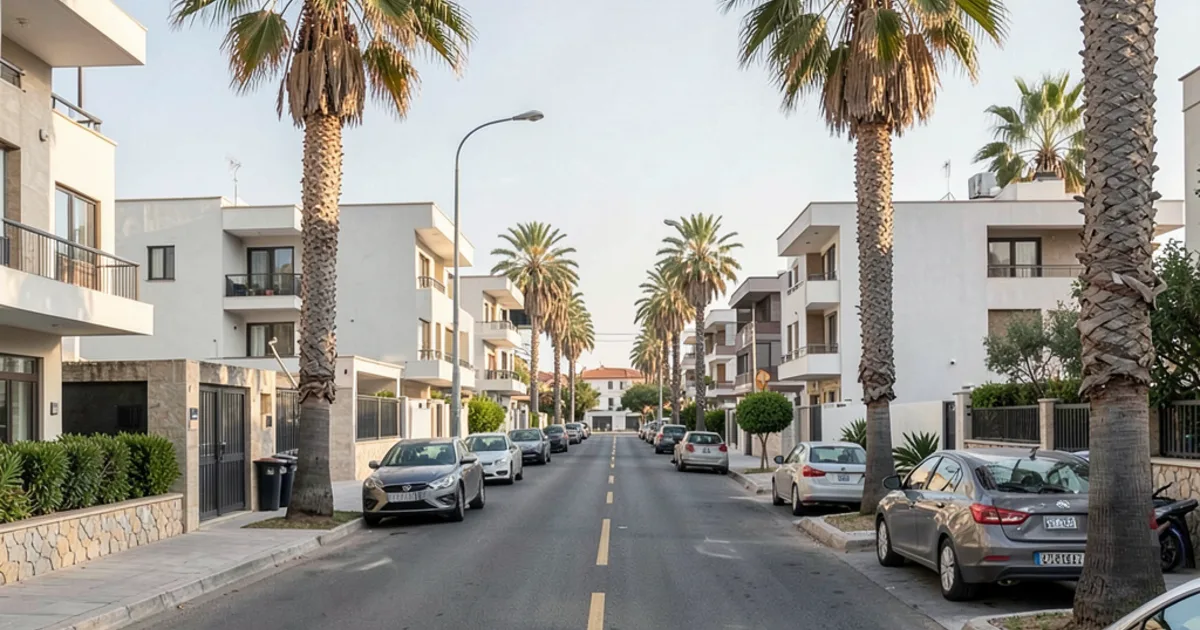
Buying land in Israel is a multifaceted process that blends unique legal frameworks with complex bureaucratic layers. Whether you are seeking a plot to build a family home, an agricultural estate, or a strategic investment, the landscape of ownership is vastly different from many other nations. This guide provides a comprehensive overview of the steps, terminology, and precautions necessary to navigate the Israeli real estate market with confidence.
Quick answer: Buying land in Israel is possible for both residents and foreigners, though foreign buyers often face specific legal restrictions and require local counsel. The process involves securing a land lease from the state, verifying zoning regulations, and completing the transaction through a licensed attorney to ensure compliance with Israeli land laws.
- Understanding the Landscape of Land Ownership in Israel
- The Role of the Tabu and Land Registries
- Navigating the Legal Framework: The Binding Memorandum
- Taxation and Financial Obligations
- Securing Financing: The Mashkanta Process
- Zoning and Planning Permissions
- Land for Development vs. Land for Residential Use
- The Importance of Professional Representation
- Common Pitfalls and Due Diligence
- The Practicalities of Living Near Your Land
Understanding the Landscape of Land Ownership in Israel
Land ownership in Israel is a multifaceted concept that differs significantly from many Western models of absolute freehold. Much of the land in the country is not held in private hands but is managed by the Israel Land Authority (ILA). This means that when you purchase land, you may actually be acquiring long-term leasehold rights rather than absolute ownership. Understanding this distinction is the foundational step for any prospective buyer.
The Jewish Agency (Sokhnut) also plays a major role in managing certain types of land and facilitating development in specific regions. The distinction between state-owned land, land managed by the ILA, and private land is critical to your rights as a buyer. Each category carries different implications for how you can use the land, your ability to build, and your long-term security. You must determine the exact nature of the title before any negotiations begin.
Investors often categorize land into several distinct types based on their intended use and current status. Some seek agricultural land for its potential appreciation, while others look for residential plots in established communities. The legal permissions attached to these categories are not always intuitive and can vary between different municipalities. A clear understanding of these categories prevents costly mistakes during the initial scouting phase.
For those looking to build a permanent residence, the distinction between a 'ready plot' and 'raw land' is vital. A ready plot typically has existing infrastructure and zoning permissions that allow for immediate or near-term construction. Raw land, conversely, may require years of bureaucratic engagement with local planning committees to become buildable. Recognizing these differences early can save significant time and financial resources.
- State-managed land (via the ILA)
- Leasehold land (long-term usage rights)
- Private freehold land (rare but available)
- Agricultural and zoned residential plots
The Role of the Tabu and Land Registries
The Tabu is the official land registry of Israel, and it serves as the ultimate authority on property ownership and encumbrances. When a transaction is finalized, it must be registered in the Tabu to ensure that the buyer is legally recognized as the owner. Without this registration, your claim to the land remains precarious and potentially contestable. The registry provides a transparent, albeit sometimes slow, record of all legal changes to a property.
A thorough search of the Tabu is the most critical due diligence step in the entire acquisition process. This search reveals whether the seller truly owns the land and if there are any existing liens, mortgages, or legal disputes attached to the title. It also identifies any easements or rights of way that might restrict how you use your new property. Never rely solely on a seller's verbal assurance regarding the status of the land.
In addition to the central Tabu, there are various municipal and local registries that may hold relevant information regarding land use. While the Tabu is the gold standard for ownership, local records might hold details on municipal debts or specific local regulations. A professional will typically cross-reference these different sources to provide a complete picture of the property's status. This layered approach to verification is essential for protecting your capital.
- Verification of the legal owner
- Identification of existing mortgages or liens
- Detection of rights of way and easements
- Confirmation of property boundaries
Navigating the Legal Framework: The Binding Memorandum
The transition from a verbal agreement to a legal reality in Israel is marked by the signing of the binding memorandum, often referred to as the 'Heskem'. This document is the formal contract that outlines all the terms and conditions of the land sale. Once signed, it is legally enforceable and becomes the basis for all subsequent actions and payments. It is the most important document in the entire transaction process.
A well-drafted memorandum must include specific details such as the exact description of the land, the purchase price, and the payment schedule. It should also clearly outline the conditions under which the sale can be cancelled and the penalties for non-compliance. Furthermore, it must address the timeline for the transfer of ownership and the responsibilities of both the buyer and the seller. Ambiguity in this document can lead to protracted legal battles.
It is highly inadvisable to sign a memorandum without the thorough review of an independent legal professional. A lawyer will ensure that the interests of the buyer are protected and that no hidden clauses disadvantage the purchaser. They will also manage the escrow process, ensuring that funds are only released when specific conditions are met. This legal oversight is your primary defense against fraudulent or unfair practices.
The memorandum also serves as the roadmap for the entire closing process. It dictates when the buyer must provide financing and when the seller must present the necessary documents for registration. By clearly defining these milestones, the contract helps to minimize delays and misunderstandings. A professional lawyer will use this document to drive the transaction toward a successful conclusion.
Taxation and Financial Obligations
Taxation is a significant component of the total cost of land acquisition in Israel and must be factored into your budget from the beginning. The most prominent tax for a buyer is the Mas Rekhisha, or purchase tax. This tax is calculated based on the purchase price and the buyer's status, such as whether they are a first-time homebuyer or a resident. The rates are structured in a tiered manner, meaning higher-priced properties incur higher tax percentages.
On the other side of the transaction, the seller is responsible for Mas Shevah, which is the capital gains tax. This tax is applied to the profit made from the sale of the land. While the buyer does not pay this directly, it is important to understand how it affects the seller's motivation and the overall negotiation. In some cases, tax liabilities can impact the timeline of the transaction if disputes arise over who is responsible for certain costs.
Once you own the land, you will be subject to ongoing municipal taxes known as Arnona. Arnona is a property tax levied by the local municipality to fund community services such as waste management, street lighting, and local infrastructure. The rate of Arnona can vary significantly depending on the location and the type of land, whether it is residential, commercial, or agricultural. Budgeting for these annual costs is essential for long-term land ownership.
Failure to account for these various taxes can lead to unexpected financial strain. It is prudent to consult with a tax professional or a specialized real estate lawyer to estimate your total tax liability accurately. They can provide guidance on potential exemptions or ways to structure the purchase to optimize your tax position within the bounds of the law.
- Mas Rekhisha (Purchase Tax) - paid by the buyer
- Mas Shevah (Capital Gains Tax) - paid by the seller
- Arnona (Municipal Property Tax) - ongoing annual cost
- Legal and notary fees - transaction costs
Securing Financing: The Mashkanta Process
For many buyers, acquiring land requires securing a Mashkanta, which is the Israeli term for a mortgage. Obtaining financing in Israel involves a rigorous process of credit assessment and property valuation. Banks and financial institutions will look closely at your financial history, your income stability, and your ability to service the debt. Because land is often seen as a higher-risk asset than an existing building, the terms may differ.
A critical part of the Mashkanta process is the Shama'ut, or the professional appraisal of the land. A certified appraiser must visit the site to determine its market value and its suitability as collateral for the loan. The bank will rely heavily on this report to decide how much they are willing to lend. If the land is unzoned or lacks infrastructure, the appraisal may reflect a lower value, affecting your borrowing capacity.
Interest rates and loan terms can vary widely depending on the current economic climate and the specific type of land being financed. Some buyers choose fixed-rate mortgages for stability, while others opt for variable rates to potentially benefit from market fluctuations. It is essential to compare different lending options and understand the total cost of the loan over its entire lifespan. A Mashkanta is a long-term commitment that requires careful planning.
Zoning and Planning Permissions
One of the most complex aspects of buying land in Israel is navigating the zoning and planning regulations. Every piece of land is subject to specific rules set by the local municipality and national planning committees. These rules dictate what can be built, how large the structures can be, and what the land can be used for. Buying land without verifying its zoning status is a common and potentially devastating mistake.
The planning process involves multiple layers of authority, ranging from local committees to the national planning and building authority. You must investigate whether the land is designated for residential, agricultural, industrial, or recreational use. Even if a piece of land is zoned for residential use, there may be strict limits on the density of construction or the height of buildings. This information is typically found in the local master plan.
If you intend to build on the land, you will need to obtain specific building permits through the local planning committee. This process can be time-consuming and may require significant architectural and engineering work. It is also common for developers to seek changes to the zoning, but this is a long-term and uncertain endeavor. Always assume that the current zoning is the only permission you have until a new permit is officially granted.
Environmental regulations and archaeological protections can also impact your ability to develop the land. Israel has strict laws regarding the preservation of heritage sites and the protection of natural landscapes. A planning professional can help you navigate these requirements and ensure that your development plans are compliant with both local and national standards.
Land for Development vs. Land for Residential Use
When approaching the market, you must decide whether your goal is immediate utility or long-term capital appreciation. Land intended for residential use is often located in established or developing neighborhoods and is designed for the construction of homes. This type of land typically comes with better access to infrastructure like electricity, water, and roads, making it more suitable for those looking to build a home quickly.
In contrast, land intended for development or investment may be much larger and located in more remote areas. This land is often bought with the expectation that future urban expansion or changes in zoning will significantly increase its value. While the potential for high returns is greater, the risks are also substantially higher, as you are essentially betting on the future decisions of planning committees.
Investors must also consider the liquidity of the land type they are purchasing. Residential plots in high-demand areas are generally easier to sell if you need to exit your position. Large agricultural or industrial tracts may take much longer to find a suitable buyer. Balancing your desire for growth with your need for flexibility is a key component of a successful land-buying strategy.
The Importance of Professional Representation
Navigating the Israeli land market is not a task for the uninitiated; it requires a team of specialized professionals. A local real estate agent can be invaluable for scouting properties that match your specific criteria and providing insights into local market trends. While they can help you find the right land, they are not legal experts and should not be your only point of contact.
A lawyer is perhaps the most essential member of your professional team. They handle the drafting of the binding memorandum, conduct the necessary searches in the Tabu, and ensure that all legal requirements for the transfer of title are met. A lawyer acts as your advocate, identifying potential risks and ensuring that the transaction proceeds according to the law. Never attempt to complete a land purchase without independent legal counsel.
A notary is also frequently required for the authentication of various documents and signatures. In many legal proceedings, a notary's verification is necessary to ensure that the documents being submitted to the registry or municipality are legitimate. While a lawyer manages the transaction, the notary provides the official validation required by the state. Utilizing these professionals ensures that your investment is built on a secure legal foundation.
- Real Estate Agent: For scouting and market intelligence
- Lawyer: For legal protection and contract drafting
- Notary: For document authentication and verification
- Appraiser: For determining market value and collateral
Common Pitfalls and Due Diligence
Even with professional help, it is easy to fall victim to common pitfalls in the land market. One of the most frequent issues is the discovery of undisclosed liens or legal disputes that surface only after the contract is signed. This is why a comprehensive search of the Tabu and local municipal records is non-negotiable. Always assume there may be hidden complexities until they are formally cleared.
Another significant risk involves the discrepancy between what a seller claims about the land and its actual legal status. A seller might claim the land is 'ready to build,' but the zoning might actually require a lengthy and uncertain rezoning process. Always verify every claim regarding building rights, utility access, and zoning status through official government channels rather than relying on verbal promises.
Environmental and geological issues can also present unexpected challenges. Land that appears perfect might be subject to strict environmental protections or may be located in an area with specific geological constraints that make construction difficult or expensive. Conducting physical inspections and reviewing environmental reports is a crucial part of a thorough due diligence process.
Finally, be wary of transactions that seem overly rushed or pressured. Legitimate land sales in Israel follow a standard, albeit sometimes lengthy, procedure. If a seller is pushing for an immediate signing without allowing you time for legal review, it is a major red flag. Patience is your greatest asset when making a significant capital investment.
The Practicalities of Living Near Your Land
If your intention is to build a home and live on your land, you must consider the broader lifestyle implications of your choice. Land that is affordable and spacious may be located far from urban centers, meaning you will need to account for commute times and access to essential services. Proximity to schools, healthcare, and shopping is a major factor in the long-term viability of a residential property.
Integrating into a new community often requires more than just physical relocation. For many, learning the local language through an Ulpan is a vital step in truly feeling at home and interacting with neighbors and local authorities. Understanding the local culture and the specific norms of the municipality will make your transition much smoother and more enjoyable.
Infrastructure development is another practical consideration. If you are buying in a developing area, you should investigate the municipality's plans for roads, public transportation, and utilities. A location that is currently quiet might soon become a bustling hub, which could either increase your property value or change the character of your living environment. Always look at the long-term municipal master plan to understand the future of your chosen area.
FAQ
Can foreigners buy land in Israel?
Yes, foreigners can generally purchase land in Israel, including residential and investment properties. However, the type of ownership, whether it is freehold or a long-term lease from the ILA, can vary depending on the land's status. It is important to consult with a lawyer to understand how your citizenship affects your rights and tax obligations.
Get your personalised shortlist
Listings and up-to-date info, straight to your inbox, free, no obligation.
Get my shortlist →