Sustainable Living: Eco-Friendly Housing Trends in Israel
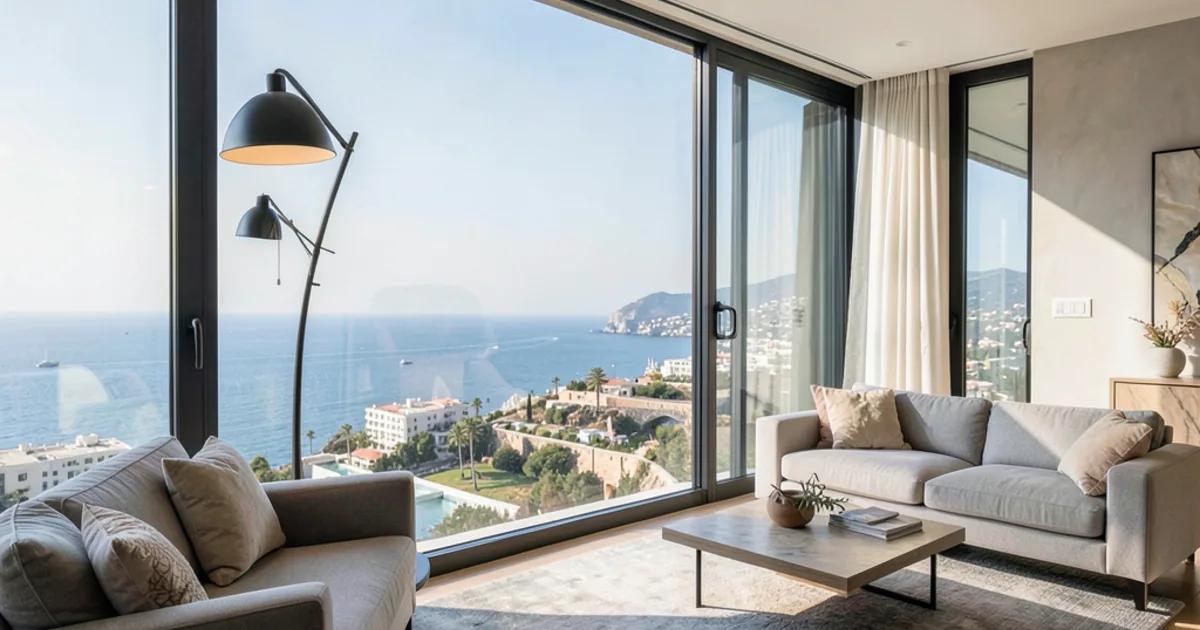
The Israeli real estate market is undergoing a profound transformation as environmental consciousness moves from a niche interest to a mainstream priority. As climate awareness grows, both local residents and international investors are increasingly seeking properties that harmonize with the Mediterranean environment. This shift is not merely a passing trend but a fundamental change in how homes are designed, constructed, and valued within the country.
- The Evolution of Sustainable Living in Israel
- Energy Efficiency and Solar Integration
- Water Management Strategies in an Arid Climate
- Urban Density and Transit-Oriented Development
- Sustainable Building Materials and Thermal Control
- The Financial Landscape of Green Real Estate
- Navigating the Legal and Regulatory Frameworks
- Integrating Nature into Residential Developments
- Overcoming Barriers to Eco-Friendly Adoption
- Practical Steps for the Discerning Buyer
The Evolution of Sustainable Living in Israel
The concept of sustainable living in Israel has evolved from a peripheral concern into a central pillar of modern real estate development. For many years, construction focused primarily on rapid expansion and density, but the modern buyer now demands more than just square footage. There is a growing realization that a home must not only provide shelter but also interact responsibly with the surrounding ecosystem. This shift is driven by a combination of environmental necessity and a desire for a higher quality of life.
As the Mediterranean climate presents unique challenges, such as intense summer heat and seasonal water scarcity, the need for 'smart' housing has become undeniable. Homeowners are no longer looking just at the aesthetic appeal of a property, but at its long-term operational efficiency. This includes how much energy it consumes to stay cool and how much water it requires to maintain its landscaping. The demand for eco-friendly features is now influencing everything from individual renovations to massive urban master plans.
For international buyers and new immigrants, understanding this shift is crucial for making informed decisions. Whether you are looking for a primary residence, a holiday home, or a long-term investment, the sustainability of a property will likely dictate its future liquidity and value. As the market matures, properties that fail to meet modern environmental standards may face steeper depreciation. Conversely, green-certified buildings are becoming the gold standard for the modern Israeli homeowner.
Energy Efficiency and Solar Integration
One of the most visible hallmarks of sustainable living in the Israeli landscape is the widespread adoption of photovoltaic (PV) solar systems. As the sun provides a consistent and abundant energy source throughout the year, many residential developments are now integrating solar panels directly into the roof design. This transition not only reduces the carbon footprint of the household but also provides a significant hedge against fluctuating electricity prices. For a homeowner, this means that the initial investment in solar technology can eventually lead to a substantial reduction in monthly utility expenses.
Beyond solar energy, the concept of energy efficiency extends deep into the structural integrity of the building itself. Modern eco-friendly homes utilize high-grade insulation and advanced window glazing to minimize heat transfer. In a country where air conditioning is a near-constant necessity during the summer months, these features are vital for reducing the load on the electrical grid. Smart home technology is also becoming a standard feature, allowing residents to monitor and automate their energy consumption in real-time via mobile applications.
From a financial perspective, energy-efficient homes may offer advantages when securing a Mashkanta (mortgage). As banks become more aware of the long-term stability of energy-efficient assets, they may view these properties as lower-risk investments. Furthermore, the reduction in monthly overheads makes the property more attractive to future buyers, ensuring better long-term value retention. Investing in solar-ready homes is increasingly seen as a strategic move for those looking to minimize the total cost of ownership over several decades.
- Photovoltaic (PV) solar panel installations
- Smart thermostats and IoT energy management
- High-performance thermal insulation
- Double or triple-glazed energy-efficient windows
Water Management Strategies in an Arid Climate
Water scarcity is perhaps the most pressing environmental challenge in Israel, making water conservation a cornerstone of sustainable housing. Modern residential projects are increasingly incorporating greywater recycling systems, which treat water from sinks and showers for use in toilet flushing and garden irrigation. This circular approach significantly reduces the demand on the municipal freshwater supply. For homeowners, this means a more resilient property that is better prepared for potential water restrictions or rising utility costs.
In terms of landscaping, the trend has shifted away from water-intensive lawns toward 'xeriscaping' and the use of native Mediterranean flora. These plants are naturally adapted to the local climate and require minimal supplemental irrigation. Many new developments also feature automated drip irrigation systems that deliver water directly to the roots of plants, minimizing evaporation and waste. This method is not only environmentally responsible but also much more cost-effective for the resident in the long run.
When evaluating a property, it is essential to check whether the building has a centralized or decentralized water management system. In larger complexes, a centralized system can offer significant economies of scale, reducing the cost of maintenance for all residents. For those purchasing land for a private villa, installing these systems early in the construction process is far more efficient than attempting to retrofit them later. Understanding these technologies is a key part of integrating into the local lifestyle and environmental standards.
Urban Density and Transit-Oriented Development
Sustainable living is not limited to individual building features; it is also about how those buildings sit within the larger urban fabric. There is a growing movement toward 'transit-oriented development,' which focuses on high-density housing located near major public transportation hubs. By placing residential areas within walking distance of train stations or light rail lines, developers can significantly reduce the reliance on private vehicles. This reduction in car usage is a major factor in lowering the overall carbon footprint of an urban area.
The '15-minute city' concept is also gaining traction in Israeli urban planning, where the goal is to ensure that all essential services, such as grocery stores, schools, and clinics, are reachable within a short walk or bike ride. This promotes a more active lifestyle and reduces the environmental impact of daily commuting. For investors, properties located in these highly walkable, well-connected neighborhoods tend to hold their value much more effectively than those in sprawling, car-dependent suburbs.
For the buyer, this means that location choice should be heavily influenced by connectivity. A home that is well-integrated into the public transport network is not only more sustainable but also more convenient for daily life. As the country continues to expand its rail and light rail infrastructure, being positioned near these corridors will likely become a significant driver of property appreciation. It is a move away from the traditional model of isolated suburban living toward a more integrated and efficient urban existence.
Sustainable Building Materials and Thermal Control
The choice of building materials plays a critical role in the environmental impact and thermal performance of a home. Developers are increasingly looking toward materials with low embodied energy, such as locally sourced stone, recycled aggregates, and sustainable timber. Using local materials not only reduces the carbon footprint associated with transportation but also ensures that the building is aesthetically and structurally suited to the Mediterranean environment. These materials often provide excellent thermal mass, which helps regulate indoor temperatures naturally.
Thermal control is particularly important in Israel to combat the intense summer heat without excessive reliance on mechanical cooling. Modern eco-friendly construction utilizes advanced techniques to create 'breathable' buildings that maintain a comfortable internal climate. This includes the use of light-colored exterior finishes to reflect sunlight and the strategic placement of windows to maximize natural light while minimizing solar heat gain. Such design choices can lead to a much more comfortable living environment and lower energy bills.
When conducting due diligence, it is wise to examine the technical specifications of a building's construction. While the Tabu land registry provides legal certainty regarding ownership and boundaries, it may not detail the specific eco-friendly materials used in the structure. Therefore, reviewing the technical annexes of the building plans or asking the developer directly about their material standards is essential. A home built with high-quality, sustainable materials is often more durable and requires less intensive maintenance over its lifespan.
The Financial Landscape of Green Real Estate
Investing in sustainable housing is increasingly viewed as a sound long-term financial strategy. While the upfront cost of an eco-friendly home might occasionally be higher due to advanced technologies, the total cost of ownership is often lower. The savings generated from reduced energy and water consumption can be substantial over the life of the property. Furthermore, as environmental regulations become stricter, homes that already meet high sustainability standards are unlikely to require expensive retrofitting in the future.
When calculating your budget, you must account for various taxes and fees, such as Mas Rekhisha (purchase tax). The value of a property, which determines the amount of Mas Rekhisha, will increasingly be influenced by its green credentials. Additionally, when it comes time to sell, the presence of sustainable features can be a major selling point, potentially leading to a higher sale price and a faster transaction. This can impact the eventual Mas Shevah (capital gains tax) calculation, as the higher appreciation reflects the premium placed on eco-friendly assets.
It is also important to consider the impact on monthly living expenses, including Arnona (property tax) and utility bills. While Arnona is generally based on the size and location of the property rather than its energy efficiency, the indirect costs of living in a poorly insulated home can be much higher. A well-designed, sustainable home provides a level of financial predictability that is highly valued in a fluctuating economy. For the prudent investor, green real estate represents a hedge against both rising resource costs and changing market preferences.
Navigating the Legal and Regulatory Frameworks
The development of sustainable housing is governed by a complex web of municipal and national regulations. Local municipalities, or the Iriya, play a crucial role in setting building codes that may mandate certain levels of energy efficiency or water conservation. As these local authorities move toward greener urban agendas, buyers should be aware that new developments are likely to be held to higher environmental standards. Understanding the specific zoning and building requirements of a municipality is a vital part of the due diligence process.
One of the most important legal documents for any buyer is the binding memorandum (Hov Shavah). If a developer has marketed a project as 'eco-friendly' or 'solar-powered,' these promises must be explicitly detailed within the memorandum to be legally enforceable. Without these specific clauses, you may find yourself owning a property that lacks the very features that justified its premium price. Always ensure that your legal counsel reviews the memorandum to confirm that all sustainability commitments are clearly defined and binding.
Furthermore, the role of the Tabu land registry remains central to the legal security of any real estate transaction. While the Tabu primarily tracks ownership and land rights, it is essential to ensure that any significant structural improvements or easements related to shared sustainable infrastructure (like a communal solar array) are properly documented. Navigating the legal landscape requires a professional approach, ensuring that every environmental claim made during the sales process is backed by solid, documented evidence in the official records.
Integrating Nature into Residential Developments
Modern sustainable living emphasizes the importance of biodiversity and the integration of green spaces within residential areas. Developers are moving away from purely concrete landscapes toward designs that incorporate urban forests, community gardens, and native plant life. These green spaces do more than just provide aesthetic beauty; they help mitigate the 'urban heat island' effect, improve air quality, and provide essential habitats for local wildlife. This creates a more harmonious living environment that promotes psychological well-being.
Community gardens are becoming a popular feature in new eco-friendly developments, fostering a sense of connection among residents. These spaces allow for local food production and provide a venue for social interaction, which is a key component of a sustainable community. For those moving to Israel, participating in such community initiatives can be a wonderful way to integrate into the local culture. It moves the concept of a 'home' from an isolated unit to part of a living, breathing ecosystem.
When choosing a property, consider the quality and accessibility of the surrounding green spaces. A development that prioritizes biodiversity and natural integration will likely offer a higher quality of life and better long-term value. Look for projects that include walking paths, shaded areas, and diverse plantings rather than just a single, manicured lawn. The presence of nature within the built environment is a hallmark of high-quality, sustainable urban design that is increasingly becoming the standard for premium residential projects.
Overcoming Barriers to Eco-Friendly Adoption
Despite the clear benefits, there are several challenges to the widespread adoption of sustainable housing in Israel. One of the primary obstacles is the higher initial capital expenditure required for green technologies and high-performance materials. For many buyers, especially those managing tight budgets or navigating the complexities of a Mashkanta, the upfront cost can be a deterrent. However, it is essential to view these costs through the lens of long-term savings and asset appreciation rather than just the immediate price tag.
Another significant challenge lies in the difficulty of retrofitting older, existing building stock. Much of the current residential landscape consists of older buildings that were not designed with modern energy or water efficiency in mind. Upgrading these structures to meet contemporary sustainability standards can be technically difficult and expensive. This creates a bifurcated market where new, green developments command a premium, while older properties may require significant investment to remain competitive and efficient.
Finally, bureaucratic and regulatory hurdles can sometimes slow the implementation of innovative green technologies. Navigating the approval processes for new types of solar installations or greywater systems can be time-consuming. Developers and homeowners alike must work closely with municipal authorities to ensure that sustainable innovations comply with existing laws while pushing the boundaries of what is possible. Despite these challenges, the momentum toward sustainability is undeniable, and the market is continuously adapting to overcome these hurdles.
Practical Steps for the Discerning Buyer
For those looking to purchase a sustainable home, thorough due diligence is the most important step. This begins with a detailed inspection of the property's actual performance, rather than relying solely on marketing brochures. You should investigate the age and efficiency of the HVAC systems, the condition of the insulation, and the functionality of any water-saving technologies. If you are buying a new development, ask for technical data sheets regarding the energy and water systems to ensure they meet your expectations.
The legal review of the binding memorandum is non-negotiable. Ensure that every eco-friendly feature promised by the developer is explicitly listed as a requirement for the final build. This includes everything from the specific type of solar panels to the inclusion of greywater recycling systems. If these features are not in the contract, they are not guaranteed. It is also wise to consult with a local expert who understands the nuances of the Israeli real estate market and can help you interpret these technical and legal details.
Finally, for those who are new to the country, the process of settling in can be enhanced by embracing local sustainability practices. As you go through your Ulpan or initial integration period, take the time to learn how to manage local resources efficiently, such as understanding water usage patterns or how to utilize local recycling systems. Integrating these habits into your daily life not only makes you a more responsible resident but also helps you feel more connected to the unique environment and culture of Israel. Sustainable living is as much about lifestyle as it is about architecture.
FAQ
How does sustainable living affect property value in Israel?
Properties with high energy and water efficiency tend to maintain their value better and are more liquid in the market. As environmental standards become more important to buyers, green homes often command a premium compared to traditional, inefficient buildings.
Get your personalised shortlist
Listings and up-to-date info, straight to your inbox, free, no obligation.
Get my shortlist →