What are the local planning restrictions for building a private villa on a plot of land in Caesarea for a foreign owner?
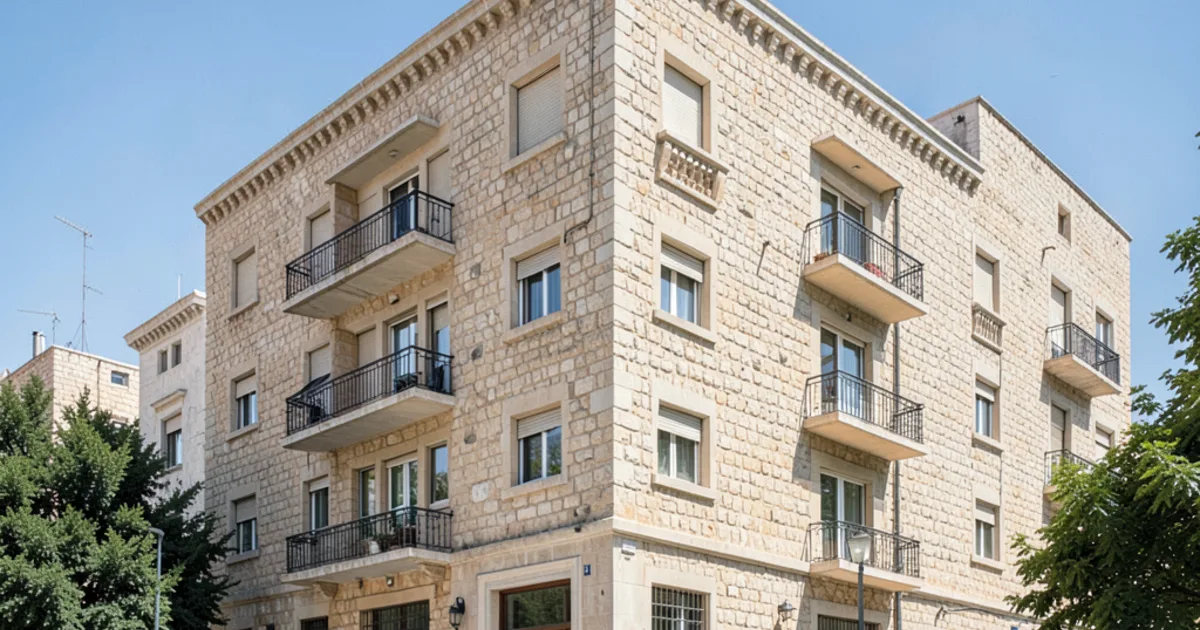
Acquiring a plot of land in Caesarea to build a custom luxury villa is a sophisticated endeavor that combines high-end lifestyle aspirations with complex legal realities. For foreign owners, the allure of the Mediterranean coast is often met with a labyrinth of local planning restrictions and bureaucratic processes. Understanding these regulations is not merely a matter of compliance, but a fundamental part of protecting your significant capital investment. This guide provides a comprehensive deep dive into the planning, legal, and tax frameworks that govern villa construction in one of Israel's most prestigious locations.
- Legal Ownership Framework for Foreign Nationals in Israel
- Navigating the Caesarea Planning Authority and Local Regulations
- Understanding Zoning (Shum) and Building Rights
- Archaeological and Environmental Constraints in Caesarea
- The Step-by-Step Building Permit Process
- Tax Implications: Mas Rekhisha and Mas Shevah
- Financing and Mashkanta for Foreign Owners
- The Importance of the Binding Memorandum
- Ongoing Costs: Arnona and Community Levies
- Strategic Decision: Custom Build vs. Existing Villa
Legal Ownership Framework for Foreign Nationals in Israel
One of the most common questions from international investors is whether they are legally permitted to own land in Israel. The short answer is yes; there are no specific laws that prohibit foreign nationals from owning private residential real estate. Whether you are looking for a holiday home, a permanent residence, or a long-term investment, the ability to hold title to land is available to you. However, the process of ensuring that title is secure requires meticulous attention to the official land registry, known in Israel as the Tabu.
The Tabu is the definitive record of property ownership and is essential for any foreign buyer to verify. Before any funds are transferred, a specialized Israeli lawyer must conduct a thorough search of the Tabu to ensure the land is free of liens, mortgages, or undisclosed claims. This step is critical because, in the luxury market of Caesarea, land parcels can sometimes have complex histories involving multiple stakeholders or historical easements. Ensuring a clean title is the foundation of your entire construction project.
While ownership is permitted, it is important to distinguish between owning the land and the right to use it for specific purposes. Your ownership rights are dictated by the underlying land use designations. Even if you hold the deed to a beautiful plot, your ability to build a specific type of villa is strictly governed by the local planning authority. Therefore, an owner's focus must shift quickly from the legality of ownership to the legality of the intended construction.
- Verification of ownership via the Tabu (Land Registry).
- Absence of existing liens or encumbrances on the plot.
- Distinction between land ownership and building rights (Zikuy Bniya).
Navigating the Caesarea Planning Authority and Local Regulations
Caesarea is not a standard municipality; it is a highly managed, prestigious enclave with its own unique planning ecosystem. The local planning authority, often working in conjunction with the Caesarea Development Company, maintains much tighter control over land use than in many other parts of the country. This is designed to preserve the aesthetic harmony, environmental integrity, and high property values that define the area. For a foreign owner, this means that 'standard' building practices from your home country may not apply here.
The primary tool used by the authority to manage development is the Master Plan, known in Hebrew as the Taba. This document outlines exactly what can be built, where, and to what extent within the Caesarea boundaries. Before purchasing land, it is imperative to review the Taba to see if your vision for a private villa aligns with the designated residential zones. A plot that appears perfect might have restrictions that prevent the specific architectural style or scale you desire.
Working with the local authority requires patience and local expertise. The planning committee oversees all major developments and has the power to demand specific design elements to ensure they meet the community's high standards. Foreign owners should view the planning authority not as an obstacle, but as a regulatory body that, while demanding, ultimately helps maintain the exclusivity and value of the area. Engaging a local architect who has a proven track record with the Caesarea planning committee is highly recommended.
Understanding Zoning (Shum) and Building Rights
Zoning, or Shum, is perhaps the most critical factor in determining the value and utility of a plot of land. In Caesarea, zoning laws dictate the specific character of every neighborhood, from the proximity to the archaeological sites to the density of the residential clusters. When evaluating land, you must look beyond the physical boundaries of the plot and investigate the building coefficients. This coefficient determines the total square footage you are permitted to build on a specific piece of land.
Building rights, or Zikuy Bniya, are often the most valuable component of a land purchase. It is possible to find a large plot of land that has very limited building rights, making it unsuitable for a large luxury villa. Conversely, smaller plots may have high building coefficients that allow for substantial multi-story residences. A foreign owner must ensure that the purchase price reflects not just the land itself, but the actual volume of construction permitted by the local zoning laws.
Furthermore, setbacks and height restrictions are strictly enforced in Caesarea to maintain privacy and vistas. Setbacks refer to the required distance between your villa and the property lines or public roads. Height restrictions ensure that new constructions do not overshadow existing homes or disrupt the coastal skyline. These regulations are non-negotiable and must be integrated into the very first draft of your architectural plans to avoid costly redesigns later in the process.
- Zoning (Shum) determines the permitted land use.
- Building coefficients (Zikuy Bniya) define the total construction area.
- Setbacks (Hagbalot) and height limits are strictly regulated.
Archaeological and Environmental Constraints in Caesarea
Caesarea is one of Israel's most historically significant locations, sitting atop layers of Roman, Byzantine, and Crusader history. This historical richness brings a significant planning restriction: archaeological oversight. Any significant excavation for a villa's foundation or swimming pool may trigger a requirement for an archaeological survey. If significant remains are discovered, the project may face delays, required excavations, or even changes to the building's footprint to protect the site.
Environmental protection is another layer of complexity. Because much of Caesarea is located along a sensitive coastline, there are stringent regulations regarding water runoff, soil stability, and the protection of local flora and fauna. The planning authority requires detailed environmental impact assessments for many luxury developments. These studies ensure that the construction of a private villa does not negatively affect the coastal ecosystem or the natural beauty that makes the area so desirable.
For a foreign owner, these constraints represent a 'hidden' variable in the construction timeline and budget. It is wise to factor in potential delays related to archaeological findings or environmental approvals when planning your move or your investment exit. While these restrictions might seem burdensome, they are the very reason Caesarea remains a world-class destination; they prevent the uncontrolled development that often degrades luxury coastal towns elsewhere.
The Step-by-Step Building Permit Process
Obtaining a building permit (Haskamat Hinuch) in Israel is a structured but often lengthy process. It begins with the creation of detailed architectural and engineering plans by professionals licensed in Israel. These plans must not only reflect your aesthetic desires but must also strictly adhere to the local Caesarea building codes and zoning requirements. Once the plans are finalized, they are submitted to the local planning committee for review.
The review process involves multiple departments, including fire safety, sanitation, and environmental protection. Each department must sign off on the plans before a permit is issued. This can take several months, and in some cases, the committee may request modifications to your design. It is essential to understand that the permit is not a guarantee that construction can begin immediately; it is a legal authorization to proceed with the build once all conditions are met.
During this phase, communication with your local team is paramount. A foreign owner, especially one not residing in Israel, must rely heavily on their architect and legal counsel to navigate these bureaucratic waters. Many owners find it helpful to have regular video consultations to track the progress of the permit application. Once the permit is granted, the actual construction phase can begin, but only after all necessary site preparations and preliminary approvals are finalized.
- Architectural and engineering plan development.
- Submission to the local planning committee.
- Inter-departmental reviews (Fire, Sanitation, Environment).
- Final issuance of the building permit.
Tax Implications: Mas Rekhisha and Mas Shevah
Taxation is a critical component of the real estate lifecycle in Israel. When you purchase land or a villa, you are subject to Mas Rekhisha, or purchase tax. This is a progressive tax, meaning the rate increases based on the value of the property and whether it is your only residence. For foreign owners, understanding how these brackets apply is vital for accurate budgeting. It is important to note that the tax is calculated based on the official valuation, which may differ from the negotiated purchase price.
When you eventually decide to sell the property, you may be liable for Mas Shevah, also known as capital gains tax. This tax is applied to the profit made on the sale of the real estate. For non-residents, the rules regarding exemptions or reductions can be different from those applied to Israeli citizens. It is essential to consult with a tax professional who understands the bilateral tax treaties between Israel and your home country to avoid double taxation and ensure compliance.
Beyond these major taxes, there are other financial considerations to keep in mind. These include notary fees, legal fees, and potentially various administrative levies associated with the land transfer. Proper tax planning should begin well before the purchase is finalized. By understanding your entry and exit tax obligations, you can make more informed decisions regarding the long-term viability of your Caesarea villa project.
Financing and Mashkanta for Foreign Owners
Securing financing for a luxury villa in Caesarea can be more challenging for foreign nationals than for local residents. In Israel, a mortgage is known as Mashkanta. While Israeli banks are accustomed to working with international clients, they often require a higher down payment from non-residents to mitigate risk. This typically means that a foreign owner might need to provide a significantly larger portion of the purchase price in liquid capital compared to a local buyer.
The process of obtaining a Mashkanta involves a rigorous assessment of your global financial standing. Banks will look at your income, credit history, and existing assets in your home country. Because the collateral (the villa) is located in Israel, the bank's ability to recover funds in the event of a default is tied to Israeli law. Consequently, the documentation required for a foreign-based borrower is often more extensive and requires certified translations of financial statements.
It is also important to consider the impact of currency fluctuations. If you are earning in a foreign currency but repaying a mortgage in Israeli Shekels, your monthly payments may vary significantly due to exchange rate volatility. Many foreign investors choose to fund their acquisitions through a combination of local bank financing and private capital to balance these risks. Always work with a financial advisor who has experience in the Israeli mortgage market to navigate these complexities.
The Importance of the Binding Memorandum
In the Israeli real estate market, the transaction is governed by a document known as the binding memorandum (Heskem Mahaz). This is not a mere 'letter of intent' but a legally enforceable contract that outlines all the terms of the sale. For a foreign owner purchasing land for a villa, this document is the most important piece of legal paperwork you will sign. It must clearly define the property's boundaries, the price, the payment schedule, and any conditions precedent to the sale.
A well-drafted memorandum should include specific clauses regarding the status of the land and its building rights. For example, if you are buying land with the intention of building, the contract should ideally include contingencies related to the ability to secure a building permit. If the land is found to have unforeseen archaeological restrictions that make your intended build impossible, the memorandum should outline your rights to rescind the contract or seek compensation.
Never rely on a verbal agreement or a simplified contract provided by a seller. A specialized Israeli lawyer must draft or at least meticulously review the memorandum to ensure your interests are protected. This includes verifying that the seller has the full legal authority to sell the property and that there are no hidden obligations that could transfer to you upon completion. The memorandum is your primary shield against fraud and unexpected legal disputes.
Ongoing Costs: Arnona and Community Levies
Owning a luxury villa in Caesarea involves significant ongoing operational costs. The most prominent of these is Arnona, the municipal property tax. Arnona is calculated based on the size and usage of the property and is collected by the local council. In high-end areas like Caesarea, Arnona rates can be substantial, reflecting the high level of municipal services, security, and infrastructure provided to the residents.
In addition to Arnona, many villa developments in Caesarea are part of gated communities or managed residential clusters. These areas often require monthly or annual community levies to cover the costs of private security, landscaping of common areas, road maintenance, and the upkeep of shared amenities like pools or clubhouses. These costs are essential for maintaining the exclusivity and high standards of the neighborhood, but they must be factored into your annual budget.
For a foreign owner, managing these recurring payments requires a reliable local arrangement. Whether you live in the villa part-time or leave it vacant, you must ensure that Arnona and community fees are paid promptly to avoid penalties or liens on the property. Many owners employ local property management companies to handle these administrative tasks, ensuring that the villa remains in peak condition and all legal obligations are met without constant personal intervention.
Strategic Decision: Custom Build vs. Existing Villa
When entering the Caesarea market, foreign owners face a fundamental choice: purchase land to build a custom villa or buy an existing luxury home. Both paths have distinct advantages and risks. A custom build allows for complete control over the design, materials, and layout, ensuring the home perfectly reflects your lifestyle and aesthetic preferences. However, this path involves significant planning risks, longer timelines, and the stress of managing a construction project from abroad.
Buying an existing villa offers the advantage of immediacy and predictability. You can visit the property, see the finished quality, and move in much sooner than with a new build. The planning and construction risks are already behind the seller. However, you may find that an existing home does not perfectly meet your needs, and renovations in Caesarea are still subject to the same planning and archaeological restrictions discussed earlier. Furthermore, older villas may require significant modernization to meet contemporary luxury standards.
From an investment perspective, land often holds significant appreciation potential if the building rights are high. An existing villa, while providing immediate utility, may have a different growth trajectory depending on its age and location. A strategic decision should be based on your primary goal: is it the immediate enjoyment of a prestigious lifestyle, or the long-term creation of a bespoke architectural masterpiece? Both options are viable, but they require entirely different management approaches.
- Custom Build: Total control, high planning risk, long timeline.
- Existing Villa: Immediate occupancy, known quality, less customization.
- Key consideration: Your tolerance for bureaucratic management.
FAQ
Can a foreign owner get a mortgage in Israel?
Yes, foreign nationals can obtain a Mashkanta (mortgage) in Israel, but the process is more rigorous. Banks typically require a larger down payment and extensive documentation of your global assets and income to mitigate the risks associated with non-resident lending.
Get your personalised shortlist
Listings and up-to-date info, straight to your inbox, free, no obligation.
Get my shortlist →