What are the specific challenges of buying an older property in Tzfat and renovating it?
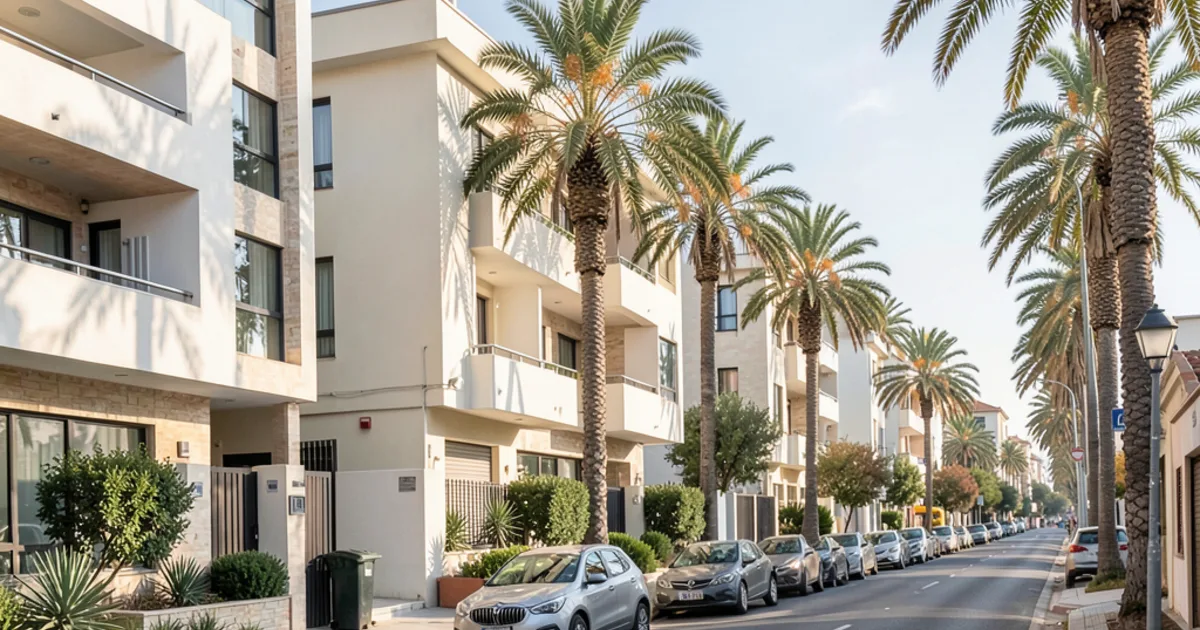
Tzfat, with its ancient synagogues, winding cobblestone streets, and profound spiritual atmosphere, offers a unique allure for those seeking a property with character and history. Buying an older property here, whether for a primary residence, a holiday home, or an investment, presents a distinct set of opportunities and challenges. This comprehensive guide delves into the specific considerations you'll face when embarking on such a venture, providing actionable insights to navigate the complexities successfully.
- Understanding Tzfat's Unique Property Landscape and Historical Significance
- Navigating Legal Complexities and Property Ownership in Israel
- Structural Integrity and Unforeseen Renovation Discoveries
- Navigating Local Planning Regulations and Preservation Laws
- Budgeting for Renovation: Hidden Costs and Contingencies
- Logistical Challenges of Renovating in a Historic City
- Sourcing Skilled Labor and Reliable Contractors
- Understanding Property Taxes and Ongoing Costs (Arnona)
- Financing Your Purchase and Renovation: Israeli Mortgages (Mashkanta)
- The Cultural and Community Aspect of Tzfat
- Resale Value and Investment Potential
- Essential Steps for a Successful Tzfat Renovation
Understanding Tzfat's Unique Property Landscape and Historical Significance
Tzfat's real estate market is deeply intertwined with its rich history and spiritual heritage. Many older properties are nestled within the Old City or adjacent historical neighborhoods, often dating back centuries. This means they come with inherent charm, but also with potential limitations concerning preservation regulations and modern infrastructure.
The historical significance of Tzfat often translates into properties having unique architectural features, such as vaulted ceilings, thick stone walls, and courtyards, which are highly desirable but can be challenging to modify. Understanding the local building traditions and the specific character of each neighborhood is crucial before even considering a purchase. This initial understanding sets the stage for realistic expectations regarding renovations.
Furthermore, some properties may have historical or religious significance that could influence renovation possibilities or even ownership structures. It's not uncommon to find properties that have been passed down through generations or have specific endowments associated with them. Thorough due diligence into the property's lineage and any historical designations is paramount to avoid unforeseen complications later on.
The demand for properties in Tzfat is often driven by a desire for a connection to its spiritual essence, attracting a diverse range of buyers from within Israel and abroad. This unique demand can influence property values and the competitive nature of the market, especially for well-preserved or exceptionally located older homes.
Navigating Legal Complexities and Property Ownership in Israel
The Israeli legal framework for property ownership can be intricate, especially when dealing with older properties. The first critical step is verifying the property's registration in the Tabu, Israel's official land registry. For older properties, particularly those in historic areas, the registration might be less straightforward, potentially involving unregistered additions or discrepancies in historical records.
Engaging a proficient Israeli real estate lawyer is non-negotiable. They will conduct a thorough title search, ensuring the seller has clear ownership and that there are no liens, encumbrances, or unresolved inheritance issues. This due diligence is even more vital for older properties where ownership history might be complex or fragmented over time.
Understanding Israeli property taxes is also crucial. 'Mas Rekhisha' (Purchase Tax) applies to property acquisitions, with rates varying based on buyer residency status and whether it's a primary or secondary residence. For future sales, 'Mas Shevah' (Capital Gains Tax) might be applicable, calculated on the profit from the sale, though exemptions can apply under certain conditions.
The 'binding memorandum of agreement' (Zichron Devarim) is a common preliminary document in Israeli real estate transactions. While not always legally binding on its own, it can outline key terms. However, it's generally advised to move directly to a full purchase agreement (Heskem Mekhira) prepared by your lawyer, as this provides a more comprehensive and legally robust framework for the transaction.
Structural Integrity and Unforeseen Renovation Discoveries
Older properties in Tzfat, often built with local stone and traditional methods, can present significant structural challenges. Foundations may have settled over centuries, walls could be damp, and roofs might require complete replacement. A comprehensive structural survey by a qualified Israeli engineer is absolutely essential before committing to a purchase.
It's not uncommon to discover hidden issues during renovation, such as crumbling plaster, outdated electrical wiring that doesn't meet modern safety standards, or plumbing systems that are severely corroded. These unforeseen discoveries can significantly inflate renovation costs and extend project timelines. Budgeting for contingencies is therefore paramount.
Many older homes in Tzfat might not have been adapted for modern living, meaning a complete overhaul of utilities, electricity, plumbing, and sewage, is often necessary. This can involve extensive work, including digging, re-piping, and re-wiring, which can be both disruptive and costly. Access for heavy machinery in narrow, historical streets can also be a logistical nightmare.
The unique construction materials and techniques used in older Tzfat homes, while charming, can also pose challenges. Finding skilled craftsmen who understand how to work with traditional stone, lime plaster, or ancient timber can be difficult and expensive. Attempting modern shortcuts can compromise the historical integrity and long-term stability of the structure.
Navigating Local Planning Regulations and Preservation Laws
Tzfat's historic status means that many older properties are subject to strict planning and preservation regulations. Any external modifications, and sometimes even internal changes, will likely require permits from the local municipality (Iriyat Tzfat) and potentially the Ministry of Interior's planning committees. These processes can be lengthy and complex.
The municipality often has specific guidelines regarding building materials, architectural styles, and even color palettes to maintain the city's unique aesthetic. Renovations must typically respect the original character of the building and its surroundings. This means a modern, glass-fronted extension might be entirely out of the question.
Engaging an architect who specializes in conservation and has experience working with the Tzfat municipality is invaluable. They can guide you through the permit application process, design plans that comply with regulations, and act as your liaison with local authorities. Without expert guidance, you risk costly delays or even being forced to undo unapproved work.
Be prepared for potential restrictions on the size or height of extensions, or even the type of windows and doors you can install. Understanding these limitations upfront will help manage expectations and avoid design disappointments. The goal is often to preserve, not just to renovate.
Budgeting for Renovation: Hidden Costs and Contingencies
Renovating an older property in Tzfat is almost always more expensive than initially anticipated. Beyond the obvious costs of materials and labor, there are numerous hidden expenses. These can include permit fees, engineering reports, architectural fees, archaeological surveys (if historical findings are uncovered), and unexpected structural repairs.
It is crucial to allocate a substantial contingency fund, typically 20-30% of the estimated renovation cost, specifically for unforeseen issues. This buffer will absorb surprises like discovering extensive dry rot, needing to replace an entire section of a wall, or encountering unexpected utility line relocations. Without it, your project could grind to a halt.
Consider also the cost of temporary accommodation if the property is uninhabitable during renovations, as well as potential rental income loss if it's an investment property. The duration of renovation can be unpredictable, so factor in longer timelines than initially projected.
The cost of skilled labor in Israel, especially for specialized restoration work, can be higher than in some other countries. Sourcing high-quality, authentic materials that align with the historical character of the property can also add to the overall budget. Don't compromise on quality to save a small percentage, as it often leads to greater costs down the line.
Logistical Challenges of Renovating in a Historic City
Tzfat's narrow, winding streets, particularly in the Old City, pose significant logistical hurdles for renovation projects. Access for delivery trucks, construction vehicles, and waste removal can be extremely challenging, often requiring manual transport of materials over considerable distances. This 'last mile' problem adds to labor costs and project timelines.
Parking for workers and deliveries can be scarce and expensive, especially during peak seasons. Coordinating deliveries to avoid disrupting local life and tourism is also a consideration. You may need to plan for specific delivery windows or even utilize smaller, specialized vehicles.
Managing construction waste in a historic, densely populated area requires careful planning. You cannot simply leave skips on the street indefinitely. Understanding local regulations for waste disposal and arranging for timely removal is essential to avoid fines and maintain good relations with neighbors.
Noise restrictions, particularly in residential and spiritual areas, may limit working hours, further extending the project duration. Being a considerate neighbor is crucial in Tzfat's close-knit community, so clear communication about renovation plans and expected disruptions is highly recommended.
Sourcing Skilled Labor and Reliable Contractors
Finding experienced and reliable contractors who understand the nuances of renovating older properties in Tzfat is critical. Not all general contractors are equipped to handle the specific challenges of historic preservation, specialized materials, or the local regulatory environment. Seek recommendations and thoroughly vet potential contractors.
Look for contractors with a proven track record in similar projects in Tzfat or other historic Israeli cities. Ask for references, visit their past projects, and ensure they have the necessary licenses and insurance. A contractor's familiarity with local building codes and municipal processes can be a huge asset.
Communication is key. Ensure your contractor speaks a language you understand fluently, or that you have a reliable translator on hand. Misunderstandings can lead to costly mistakes and delays. A clear, detailed contract outlining scope of work, timeline, and payment schedule is non-negotiable.
Be prepared for the Israeli work culture, which might differ from what you're accustomed to. Persistence, regular site visits, and clear expectations are vital for keeping the project on track. Building a good working relationship based on trust and mutual respect will contribute significantly to a successful outcome.
Understanding Property Taxes and Ongoing Costs (Arnona)
Beyond the initial purchase tax, property owners in Israel are subject to 'Arnona,' a municipal property tax. This tax is levied by local authorities (like Iriyat Tzfat) and is based on factors such as the property's size, its classification (residential, commercial), and its location. Rates can vary significantly and are adjusted periodically.
For older properties, especially those that might have been expanded or altered over time, the registered size for Arnona purposes might differ from the actual physical size. It's important to verify this with the municipality to avoid unexpected tax bills. Renovation might also trigger a reassessment of Arnona.
Other ongoing costs include utility bills (electricity, water, gas), property management fees (if applicable), and potentially 'Vaad Bayit' (homeowners association fees) if the property is part of a multi-unit building or complex. These fees contribute to shared maintenance, lighting, and cleaning of common areas.
It's prudent to factor in all these ongoing expenses when calculating the true cost of ownership, whether it's for a primary residence, a holiday home that might sit vacant for periods, or an investment property. Underestimating these recurring costs can strain your budget.
Financing Your Purchase and Renovation: Israeli Mortgages (Mashkanta)
Securing financing for an older property in Tzfat, especially one requiring significant renovation, can be more complex than for a new build. Israeli banks offer 'Mashkanta' (mortgages), but their lending criteria might be stricter for properties with structural issues or those lacking modern amenities. The bank will typically require an appraisal, and the valuation might be conservative.
For non-residents, obtaining an Israeli mortgage is possible but often involves a higher down payment requirement and potentially more stringent documentation. It's advisable to engage a mortgage broker specializing in non-resident mortgages to navigate the various bank offerings and requirements.
Some banks may be hesitant to release the full mortgage amount until renovation milestones are met, or they might require a separate construction loan component. This phased release of funds needs to be carefully coordinated with your renovation schedule and contractor payment terms.
It's wise to get pre-approval for a mortgage before making an offer. This not only strengthens your negotiating position but also gives you a clear understanding of your budget. Remember that interest rates and terms can vary, so comparing offers from several banks is recommended.
The Cultural and Community Aspect of Tzfat
Tzfat is not just a city; it's a vibrant, spiritual community. Integrating into this community, especially if you're an Oleh Chadash (new immigrant) or a foreign buyer, is an important consideration. While Tzfat is welcoming, understanding local customs and sensitivities will enhance your experience.
Many residents of Tzfat are religious, and the rhythm of life often revolves around Shabbat and Jewish holidays. This can impact renovation schedules, local services, and social interactions. Being respectful of these traditions is crucial for building good relationships with your neighbors.
If you're planning to live there, consider an 'Ulpan' (intensive Hebrew language course). While many locals speak English, being able to communicate in Hebrew will greatly assist with daily life, dealing with contractors, and integrating into the community. It also shows a commitment to your new home.
The unique atmosphere of Tzfat is a significant draw. Embrace the opportunity to connect with its history, art, and spirituality. This cultural immersion can be incredibly rewarding, but it also means adapting to a pace and style of life that might be different from what you're used to.
Resale Value and Investment Potential
While buying an older property in Tzfat and renovating it can be a labor of love, it's also important to consider the long-term investment potential. A beautifully restored historic home in Tzfat can command a premium, especially if it retains its original character while offering modern comforts.
The unique appeal of Tzfat, combined with a limited supply of truly authentic older properties, can contribute to strong appreciation over time. However, the market can be niche, appealing to specific types of buyers who value history and character over modern amenities and space.
Consider the target market for your renovated property. If it's a holiday home, its appeal to tourists seeking an authentic Tzfat experience could generate significant rental income. If it's for resale, ensure your renovations align with what potential buyers in this unique market are looking for.
While we cannot guarantee returns, a well-executed renovation that respects the property's heritage and meets current building standards is generally a sound investment in a city like Tzfat. The key is to blend the old with the new seamlessly, creating a desirable and functional living space.
Essential Steps for a Successful Tzfat Renovation
Begin with thorough research and due diligence on the property's legal status, structural integrity, and historical designations. This foundational work will prevent many future headaches. Don't rush this initial phase, as it is the most critical.
Assemble a strong professional team: a reputable real estate lawyer specializing in Israeli property, an experienced structural engineer, an architect with conservation expertise and local municipality familiarity, and a reliable contractor. These individuals are your indispensable allies.
Develop a comprehensive budget that includes a substantial contingency fund (20-30%) for unforeseen expenses. Be realistic about costs and timelines, understanding that older properties often require more time and money than initially planned. Phased budgeting can be very helpful.
Maintain open and consistent communication with your entire team and, importantly, with local authorities and neighbors. Transparency and respectful interaction can smooth out many potential issues and foster a positive environment for your project.
Embrace the journey. Renovating an older property in Tzfat is a unique and often challenging endeavor, but the reward of breathing new life into a piece of history, creating a beautiful home, and becoming part of this special community is immeasurable. Patience and perseverance are your greatest assets.
- Engage an Israeli real estate lawyer early.
- Commission a comprehensive structural survey.
- Hire an architect specializing in historic properties.
- Budget for a significant contingency fund (20-30%).
- Verify property registration with Tabu.
- Understand local planning and preservation laws.
- Source reliable contractors with relevant experience.
- Factor in logistics for deliveries and waste removal.
- Plan for potential utility upgrades.
- Consider an Ulpan for language integration.
FAQ
What is Tabu and why is it important for older Tzfat properties?
Tabu is Israel's official land registry. For older Tzfat properties, verifying Tabu registration is crucial to confirm clear ownership, identify any liens or encumbrances, and ensure the property's legal boundaries are accurately recorded, which can sometimes be complex for historic sites.
What is Mas Rekhisha and how does it affect buying an older property in Tzfat?
Mas Rekhisha is Israel's purchase tax, applied to property acquisitions. The rate varies based on whether the buyer is a resident or non-resident and if it's a primary or secondary residence. It's a significant upfront cost that needs to be factored into the purchase budget for any property, including older ones in Tzfat.
Can I get a mortgage (Mashkanta) for a renovation project on an older Tzfat home?
Yes, it is possible to get a Mashkanta for a renovation project on an older Tzfat home, but banks may have stricter criteria due to potential structural issues. They might require phased fund releases or a separate construction loan, and a higher down payment, especially for non-residents.
Are there specific building materials I must use when renovating in Tzfat's Old City?
Yes, Tzfat's historic status often imposes strict regulations on building materials, architectural styles, and even color palettes, particularly in the Old City. The municipality aims to preserve the city's unique aesthetic, often requiring traditional materials like local stone or specific types of plaster. An architect with local experience is essential for guidance.
What is Arnona and how is it calculated for older properties in Tzfat?
Arnona is a municipal property tax levied by local authorities in Israel, including Tzfat. It's calculated based on factors like the property's size, its classification (residential, commercial), and its location. For older properties, it's important to verify the registered size with the municipality, as renovations might trigger a reassessment.
Get your personalised shortlist
Listings and up-to-date info, straight to your inbox, free, no obligation.
Get my shortlist →