What are the step-by-step legal requirements for a Canadian citizen buying a holiday home in Tel Aviv?
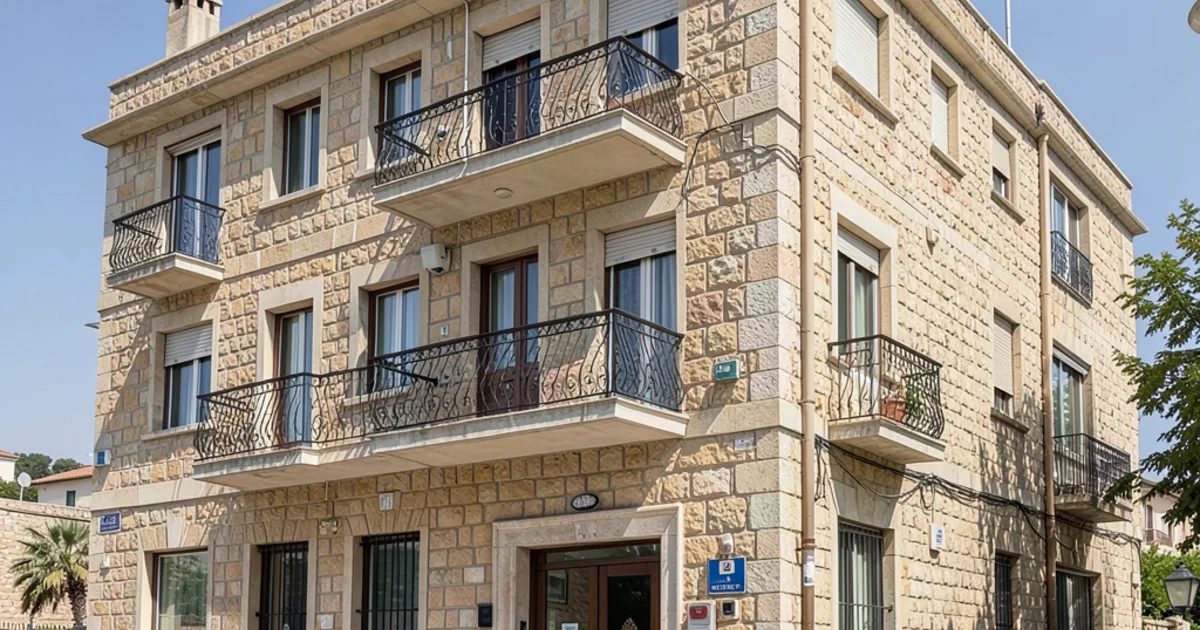
Purchasing a holiday home in a vibrant city like Tel Aviv is an exciting prospect, especially for Canadian citizens looking for a connection to Israel. However, navigating the legal intricacies of real estate acquisition in a foreign country requires careful attention and expert guidance. This comprehensive article aims to demystify the step-by-step legal requirements, offering a practical roadmap for Canadian buyers interested in securing their piece of Tel Aviv's dynamic landscape for leisure and personal enjoyment.
- Understanding Property Ownership in Israel: Freehold vs. Leasehold
- Initial Steps and Engaging Your Legal Team in Israel
- The Binding Memorandum of Understanding (Zichron Devarim)
- Due Diligence: Uncovering the Property's History and Status
- The Purchase Agreement: Your Definitive Contract
- Financing Your Tel Aviv Holiday Home: Mortgage Options
- Understanding Israeli Purchase Tax (Mas Rekhisha)
- Registration and Transfer of Ownership at the Tabu
- Ongoing Costs and Responsibilities for a Holiday Home
- Power of Attorney and Managing Your Purchase Remotely
- Post-Purchase Considerations: Capital Gains and Rental Income
Understanding Property Ownership in Israel: Freehold vs. Leasehold
Before embarking on your property search, it's crucial for Canadian citizens to understand the fundamental types of property ownership in Israel. The vast majority of land in Israel, including much of Tel Aviv, is owned by the Israel Land Authority (ILA), a governmental body. This means that many properties are sold on a long-term leasehold basis, typically for periods ranging from 49 to 98 years, with options for renewal.
Freehold ownership, though less common, does exist, particularly for older buildings or privately owned parcels. With freehold, you own both the land and the structure outright. In contrast, leasehold grants you the right to use and develop the land for a specified period, subject to certain terms and conditions set by the ILA. Your legal counsel will be instrumental in clarifying the ownership structure of any property you consider.
For a holiday home, either freehold or a long-term leasehold can be suitable, but understanding the implications of each is vital. Leasehold properties often involve annual payments (known as 'Heker') to the ILA, which are effectively ground rent. While these payments are generally modest, they are an ongoing commitment. Your lawyer will explain the specific terms of the lease, including any renewal options and associated costs, to ensure full transparency before you commit to a purchase.
Initial Steps and Engaging Your Legal Team in Israel
The very first and arguably most critical step for any Canadian citizen buying property in Tel Aviv is to engage an experienced, independent Israeli real estate lawyer. Do not rely solely on the seller's agent or lawyer, as their primary duty is to the seller. Your lawyer will act solely in your best interests, conducting due diligence, drafting contracts, and representing you throughout the entire process.
It's advisable to seek recommendations for lawyers specializing in foreign real estate transactions and those familiar with the specific nuances of buying in Tel Aviv. Interview potential candidates to ensure they are fluent in English, understand your specific needs as a Canadian buyer, and can communicate effectively across time zones. A good lawyer will be your primary point of contact and guide through every legal hurdle.
Beyond legal counsel, you might also consider engaging a reputable real estate agent who understands the Tel Aviv market and your requirements for a holiday home. While not a legal requirement, a skilled agent can streamline your property search, provide valuable local insights, and help negotiate prices. Ensure your agent is licensed and that their commission structure is clearly understood upfront.
The Binding Memorandum of Understanding (Zichron Devarim)
In Israel, it's common for parties to sign a 'Zichron Devarim' (Memorandum of Understanding) after agreeing on a price, but before the full purchase agreement is drafted. While seemingly informal, a well-drafted Zichron Devarim can be a legally binding document that outlines key terms such as the purchase price, payment schedule, and target closing date. It's crucial that your lawyer reviews or drafts this document before you sign anything.
Signing a Zichron Devarim without legal advice can expose you to significant risks, as it can create binding obligations prematurely. Your lawyer will ensure that any memorandum protects your interests, includes necessary contingencies (such as satisfactory due diligence), and does not commit you to unfavorable terms. It may also include a forfeiture clause for an initial deposit if the deal falls through due to your actions.
Often, a small good-faith deposit accompanies the Zichron Devarim. Your lawyer will advise on the appropriate amount and ensure it is held in an escrow account, not directly by the seller. This initial step sets the framework for the more detailed purchase agreement that will follow, so precision and legal oversight are paramount.
Due Diligence: Uncovering the Property's History and Status
This is a critical phase where your Israeli lawyer meticulously investigates all aspects of the property you intend to purchase. This comprehensive due diligence protects you from unforeseen liabilities and ensures the property is legally sound. It goes far beyond a simple visual inspection and delves into official records and permits.
Key aspects of due diligence include verifying ownership through the Tabu (Land Registry Office) or the Israel Land Authority. Your lawyer will confirm that the seller is the rightful owner, that there are no liens, mortgages, or other encumbrances on the property that haven't been disclosed, and that the property's boundaries are correctly registered. They will also check for any outstanding debts or legal disputes associated with the property.
Furthermore, your lawyer will examine building permits and zoning regulations with the local municipality of Tel Aviv. This ensures that the property was constructed legally, that all additions or modifications have proper permits, and that its current use as a holiday home is permitted. They will also check for any future development plans in the immediate vicinity that could impact your enjoyment or property value, such as a new high-rise or public infrastructure project.
- Verification of ownership via Tabu or ILA records.
- Checking for liens, mortgages, or other encumbrances.
- Reviewing building permits and ensuring compliance with zoning laws.
- Investigating municipal debts (Arnona, water, betterment tax).
- Confirming property size and boundaries.
The Purchase Agreement: Your Definitive Contract
Once due diligence is complete and satisfactory, your lawyer will draft or meticulously review the comprehensive Purchase Agreement. This document is the cornerstone of your transaction and will detail every aspect of the sale. It's significantly more detailed than the Zichron Devarim and supersedes any prior agreements.
The Purchase Agreement will specify the exact purchase price, the detailed payment schedule with milestones, and the conditions for transferring ownership. It will outline the responsibilities of both the buyer and the seller, including who pays for various taxes and fees, and the date of possession. Crucially, it will contain clauses protecting you in case of seller default or unforeseen issues.
For Canadian buyers, special attention will be paid to clauses regarding currency exchange, foreign transfer regulations, and any specific Israeli legal requirements that may affect non-residents. Your lawyer will negotiate on your behalf to ensure favorable terms and safeguard your investment. Do not sign this document without your lawyer's explicit approval and a thorough understanding of its contents.
Financing Your Tel Aviv Holiday Home: Mortgage Options
While some Canadian citizens may choose to pay cash for their Tel Aviv holiday home, many opt for financing. Obtaining a mortgage (Mashkanta) in Israel as a non-resident, especially from Canada, is certainly possible but involves specific requirements. Israeli banks are generally open to lending to foreign buyers, but the terms and conditions may differ from those offered to Israeli residents.
Typically, non-residents can expect to finance a portion of the property's value, often lower than what Israeli citizens might secure. The exact loan-to-value ratio will depend on your financial standing, the property type, and the lending institution. You will need to provide extensive documentation, including proof of income, assets, and credit history from Canada, translated and notarized as required.
It's advisable to engage with a mortgage broker in Israel who specializes in foreign buyers. They can navigate the various Israeli banks, compare interest rates, and help you compile the necessary paperwork. Be prepared for a more rigorous application process and potentially higher interest rates compared to what you might find in Canada. Factor in all associated costs, such as appraisal fees and bank charges, into your budget.
Understanding Israeli Purchase Tax (Mas Rekhisha)
As a Canadian citizen buying a property in Tel Aviv, you will be subject to Israeli Purchase Tax (Mas Rekhisha). This is a significant cost and must be factored into your overall budget. The tax rates are progressive and depend on whether you own other properties in Israel and the purchase price of the property.
For foreign residents, the purchase tax rates can be different from those for Israeli residents, and the thresholds for each tax bracket are subject to change by the Israeli Tax Authority. Generally, if this is your only property in Israel, you may benefit from lower rates on the initial portion of the property's value. However, if you already own property in Israel, you will likely pay higher rates, as the property will be considered an 'additional' property.
Your lawyer will accurately calculate the Mas Rekhisha based on the current regulations and the specific details of your purchase. They will also assist with the submission of the required tax forms to the Israeli Tax Authority. It's crucial to ensure this tax is paid on time, as delays can incur penalties. This is a non-negotiable part of the property acquisition process for all buyers.
Registration and Transfer of Ownership at the Tabu
The final legal step in securing your holiday home is the official registration of ownership transfer at the Tabu (Israel Land Registry Office). This is where your name is formally recorded as the new owner of the property. This process is typically handled by your lawyer after all payments have been made and all necessary taxes have been settled.
Your lawyer will submit all relevant documents, including the Purchase Agreement, proof of tax payments, and any necessary permits, to the Tabu. Upon successful registration, a new title deed will be issued in your name. This document is the ultimate proof of your legal ownership.
It's important to note that until the property is officially registered in your name at the Tabu, legal ownership has not fully transferred. While you may have possession and have paid for the property, the Tabu registration formalizes your rights. Your lawyer will keep you informed of the progress and provide you with the updated title deed once the process is complete.
Ongoing Costs and Responsibilities for a Holiday Home
Beyond the initial purchase price and taxes, owning a holiday home in Tel Aviv comes with ongoing financial responsibilities that Canadian citizens should be aware of. These include municipal taxes (Arnona), utility bills, and potentially building maintenance fees (Va'ad Bayit).
Arnona is a municipal property tax levied by the Tel Aviv municipality, calculated based on the property's size and location. Utility bills for electricity, water, and gas will depend on your usage. If the property is part of a condominium or apartment building, you will also be responsible for monthly Va'ad Bayit fees, which cover common area maintenance, cleaning, and sometimes building insurance.
It's wise to budget for these recurring expenses to ensure the smooth operation and enjoyment of your holiday home. Your lawyer or property manager can help you estimate these costs and set up direct debit payments. Consider also the cost of property management if you plan to rent out your holiday home for periods or wish for someone to oversee it while you are not in Israel.
Power of Attorney and Managing Your Purchase Remotely
For Canadian citizens who may not be able to be physically present in Israel for every stage of the property purchase, granting a Power of Attorney (POA) to your Israeli lawyer is a highly practical solution. A POA legally authorizes your lawyer to act on your behalf in specific matters, such as signing documents, making payments, and dealing with governmental bodies.
The POA must be carefully drafted to grant only the necessary powers and should be notarized and apostilled (or legalized by the Israeli consulate in Canada) to be valid in Israel. Your lawyer will guide you through this process, ensuring all legal requirements are met for its recognition in Israel. This allows for a smoother transaction, especially when dealing with time zone differences and travel constraints.
While a POA offers convenience, it's crucial to trust your lawyer implicitly. Ensure the POA clearly defines the scope of their authority and includes safeguards for your interests. It enables your lawyer to manage the entire process, from signing the purchase agreement to registering the property at the Tabu, without requiring your constant physical presence.
Post-Purchase Considerations: Capital Gains and Rental Income
As a Canadian citizen owning a holiday home in Tel Aviv, it's important to be aware of the Israeli tax implications should you decide to sell the property in the future. Israeli law imposes a Capital Gains Tax (Mas Shevah) on the profit made from selling real estate. The rates and exemptions can vary significantly based on residency status, ownership period, and whether it's your primary residence (which a holiday home typically is not).
It's highly recommended to consult with an Israeli tax advisor specializing in foreign residents to understand the specifics of Mas Shevah and how it might apply to your situation. They can also advise on any potential double taxation treaties between Canada and Israel that might mitigate your overall tax burden. Proper financial planning from the outset can save you significant amounts down the line.
Furthermore, if you plan to rent out your holiday home for any period, you will be subject to Israeli income tax on that rental income. There are different tax regimes and potential exemptions or reduced rates for rental income, especially for non-residents. Again, professional tax advice is indispensable to ensure compliance with Israeli tax laws and to optimize your rental income strategy.
FAQ
Can I buy property in Tel Aviv if I am not Jewish?
Yes, absolutely. Israeli property laws allow individuals of any nationality or religion to purchase real estate. There are no restrictions based on religious affiliation for foreign buyers.
Do I need to open an Israeli bank account to buy a holiday home?
While not strictly mandatory for the entire process, opening an Israeli bank account is highly recommended for managing payments, receiving rental income (if applicable), and handling ongoing expenses like Arnona and utilities. Your lawyer can assist with this process.
What is the typical timeline for buying a property in Tel Aviv?
The process can vary significantly, but generally, from signing a Zichron Devarim to final Tabu registration, it can take anywhere from 3 to 6 months, sometimes longer, depending on the complexity of the deal and the efficiency of the parties involved.
Are there any special considerations for Canadian citizens regarding currency exchange?
When transferring funds from Canadian Dollars to Israeli Shekels, you should factor in exchange rates and transfer fees. It's advisable to work with a reputable foreign exchange service or your bank to ensure competitive rates and efficient transfers to your Israeli bank account or lawyer's escrow.
What is 'Arnona' and do all properties pay it?
Arnona is a mandatory municipal property tax paid to the local municipality (Tel Aviv in this case) for services like sanitation, street maintenance, and education. Almost all properties in Israel are subject to Arnona, with rates varying based on property size, location, and usage.
Get your personalised shortlist
Listings and up-to-date info, straight to your inbox, free, no obligation.
Get my shortlist →