What are the specific financing options available for British citizens looking to purchase a holiday apartment in Ashdod without Aliyah benefits?
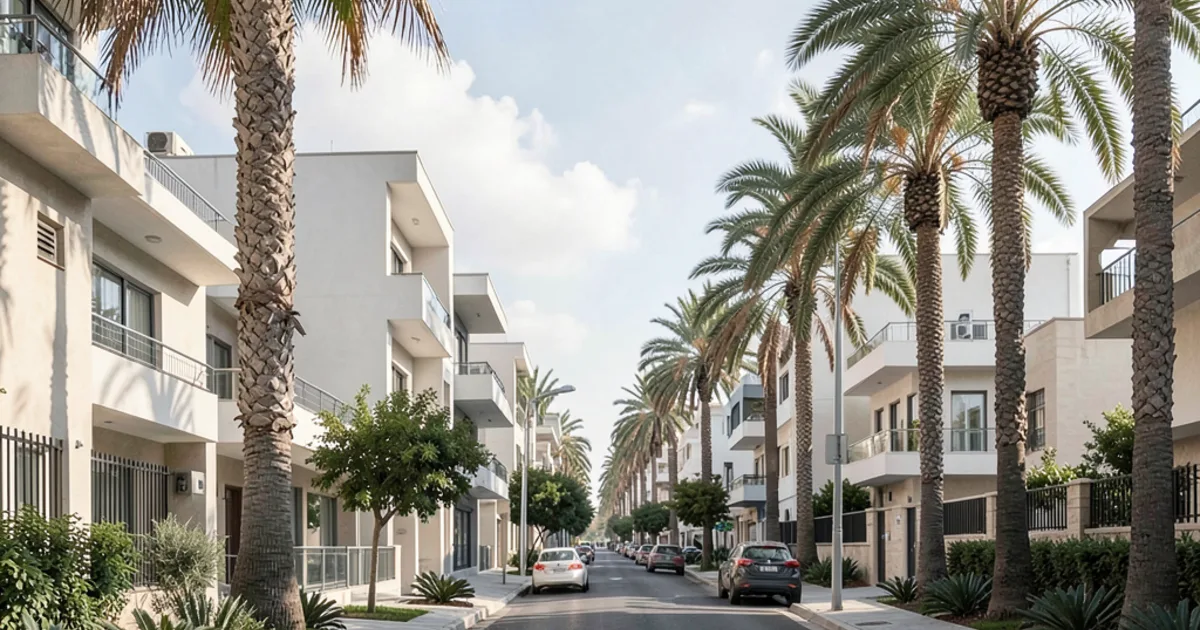
For British citizens dreaming of a sun-drenched holiday apartment in Ashdod, the prospect of navigating the Israeli real estate market can seem daunting, especially without the immediate advantages of Aliyah. This comprehensive guide, brought to you by BuyPropertyIsrael, is designed to demystify the financing landscape for non-residents. We'll explore the specific avenues available to you, from traditional Israeli mortgages to international lending solutions, ensuring you understand every step involved in securing your piece of Ashdod paradise.
- Understanding the Israeli Mortgage Market for Non-Residents
- Primary Financing Options: Israeli Banks vs. International Lenders
- Required Documentation for Mortgage Applications
- Understanding Loan-to-Value Ratios and Down Payments
- Legal and Regulatory Considerations for British Buyers
- Additional Costs Beyond the Purchase Price
- The Role of a Local Real Estate Agent and Lawyer
- Currency Exchange and International Transfers
- The Purchase Process for Non-Residents: Step-by-Step
- Life in Ashdod: Practicalities for a Holiday Home Owner
- Potential Challenges and How to Mitigate Them
Understanding the Israeli Mortgage Market for Non-Residents
The Israeli mortgage market operates differently for non-residents compared to citizens or those making Aliyah. While the fundamental structure of a 'Mashkanta' (mortgage) remains similar, the criteria for eligibility, loan-to-value ratios, and interest rates can be more stringent for foreign buyers. Lenders assess risk differently for individuals without a direct financial history or permanent residency in Israel, necessitating a more robust application.
Typically, Israeli banks will require a higher down payment from non-residents, often ranging from a significant percentage of the property's value. This is a crucial factor to consider when budgeting for your purchase, as it directly impacts the amount you'll need to finance. The banks also scrutinize income and assets held outside of Israel, requiring comprehensive documentation to verify financial stability and repayment capacity.
Interest rates on non-resident mortgages can also differ, often reflecting the perceived higher risk. While variable and fixed-rate options are available, the specific terms will depend on the individual bank's policies and the prevailing market conditions. It's essential to shop around and compare offers from various Israeli financial institutions to find the most favorable terms for your specific circumstances and financial profile.
Primary Financing Options: Israeli Banks vs. International Lenders
When considering financing a holiday apartment in Ashdod, British citizens generally have two main routes: securing a mortgage from an Israeli bank or exploring options with international lenders. Each pathway has its distinct advantages and disadvantages, and the best choice often depends on your personal financial situation and comfort level with cross-border transactions. Israeli banks are familiar with the local legal framework and property types, offering a direct approach to financing within the country.
Israeli banks, such as Bank Leumi, Hapoalim, or Discount Bank, have dedicated departments for non-resident mortgages. They typically require a solid financial history, proof of income from your home country, and a significant down payment. While the application process can be detailed, securing a mortgage directly from an Israeli institution can streamline the purchase process once approved, as they are integrated into the local real estate ecosystem. They will also be familiar with the intricacies of the Israeli property registration system, including the Tabu land registry.
Alternatively, some international banks or specialized financial institutions may offer loans for overseas property purchases. These lenders might be more accustomed to dealing with foreign income streams and may offer different currency options. However, they might not always be as familiar with the specific nuances of Israeli property law and valuation, potentially leading to a more complex or protracted process. It's vital to weigh the convenience of dealing with a known international entity against the local expertise offered by Israeli banks.
Required Documentation for Mortgage Applications
Preparing a comprehensive set of documents is paramount for a successful mortgage application in Israel as a non-resident. Lenders will require robust evidence of your financial stability and capacity to repay the loan. This typically includes detailed proof of income, which could range from employment contracts and recent pay stubs to self-assessment tax returns if you are self-employed in the UK. The more transparent and complete your financial picture, the smoother the application process.
Furthermore, banks will request statements from your UK bank accounts, demonstrating consistent savings and financial activity. They will also need to verify your assets, such as other properties you own, investments, and any existing debts. Providing a clear overview of your global financial standing helps the Israeli bank assess your overall risk profile accurately. Expect requests for credit reports from your home country, as these provide crucial insights into your borrowing history.
Beyond financial documents, you will need personal identification, such as a valid British passport, and potentially proof of address in the UK. The property itself will also require extensive documentation, including the 'Tabu' (land registry) extract, a valuation report, and the binding memorandum or purchase agreement. Having all these documents organized and readily available will significantly expedite the mortgage application process.
Understanding Loan-to-Value Ratios and Down Payments
For non-residents purchasing a holiday apartment in Ashdod, the loan-to-value (LTV) ratio is a critical factor determining the required down payment. Israeli banks typically offer lower LTVs to foreign buyers compared to residents, meaning you will need to contribute a larger percentage of the property's purchase price upfront. This is a standard risk mitigation strategy employed by lenders when dealing with individuals who do not have a permanent presence or extensive credit history within the country.
While exact percentages can vary between banks and depend on market conditions, it's prudent to anticipate a substantial down payment, often in the range of 30% to 50% or even higher, for a non-resident mortgage on a holiday home. This significant equity contribution demonstrates your commitment and reduces the bank's exposure. Therefore, careful financial planning and saving are essential long before you begin your property search.
It's important to differentiate between the LTV for a primary residence versus a holiday or investment property. Lenders often view holiday homes as higher risk, which can further impact the available LTV. Always clarify the specific LTV policies for non-resident holiday apartment purchases with potential lenders early in your inquiry process to avoid any surprises later on. This will help you realistically budget for the total capital required for your Ashdod purchase.
Legal and Regulatory Considerations for British Buyers
Purchasing property in Israel involves navigating a specific legal and regulatory framework, which is crucial for British citizens to understand. The process begins with a 'binding memorandum' (Zichron Devarim), a preliminary agreement that, while not always legally binding in its initial form, sets the stage for the full purchase contract. It's imperative to have an independent Israeli lawyer review all documents from the outset, ensuring your interests are protected.
The property's ownership is officially recorded in the 'Tabu' (Land Registration Office), which is Israel's equivalent of a land registry. Your lawyer will conduct due diligence to confirm clear title, check for any liens or encumbrances, and verify the property's legal status. This step is non-negotiable and provides assurance that you are indeed purchasing the property from its rightful owner and that there are no hidden legal issues that could jeopardize your investment.
Additionally, British buyers must be aware of Israeli tax implications. While not qualifying for Aliyah benefits, you will still be subject to 'Mas Rekhisha' (purchase tax), which is a tiered tax based on the property's value. There may also be 'Mas Shevah' (capital gains tax) payable if you sell the property in the future for a profit. Understanding these legal and tax obligations from the start, with the guidance of a local expert, is vital for a smooth and compliant purchase process.
Additional Costs Beyond the Purchase Price
Beyond the agreed-upon purchase price and down payment, several additional costs must be factored into your budget when buying a holiday apartment in Ashdod. One of the most significant is 'Mas Rekhisha' (purchase tax), which is a progressive tax applied to the property's value. The specific rate depends on whether it's your only property in Israel and the purchase price, but for non-residents, it can be a substantial sum. It's crucial to obtain an accurate estimate for this early in the process.
Legal fees for your Israeli lawyer are another essential expense. These fees cover the due diligence, contract drafting and review, representation during the transaction, and registration of the property in the Tabu. While specific rates vary, they are typically a percentage of the purchase price or a fixed fee, and it's advisable to clarify this upfront. You will also incur fees for obtaining a mortgage, including appraisal fees, opening fees, and potentially broker fees if you use a mortgage advisor.
Other ongoing costs include 'Arnona' (municipal property tax), which is paid annually to the Ashdod municipality, and 'Vaad Bayit' (building management fees), which cover the maintenance of common areas in your apartment building. Utility connections, insurance, and potential renovation costs should also be considered. A comprehensive financial plan that accounts for all these ancillary expenses will prevent any unwelcome surprises and ensure a realistic budget for your Ashdod holiday home.
- Mas Rekhisha (Purchase Tax)
- Legal Fees (Israeli Lawyer)
- Mortgage Origination Fees (Appraisal, Opening Fees)
- Real Estate Agent Commission (if applicable)
- Arnona (Municipal Property Tax)
- Vaad Bayit (Building Management Fees)
- Property Insurance
- Utility Connection Fees
The Role of a Local Real Estate Agent and Lawyer
Engaging a reputable local real estate agent and an independent Israeli lawyer is not just recommended, but essential for British citizens navigating the Ashdod property market. A skilled real estate agent with deep knowledge of Ashdod can provide invaluable insights into specific neighborhoods, property values, and available listings that match your criteria for a holiday apartment. They can also help negotiate on your behalf and guide you through the initial stages of the buying process, saving you time and potential pitfalls.
Your real estate agent will be instrumental in identifying properties that meet your budget and lifestyle requirements, providing market analysis, and arranging viewings. They can also connect you with other local professionals, such as mortgage brokers or currency exchange services, that are crucial for a smooth transaction. Their local expertise is particularly beneficial for non-residents who may not be familiar with the nuances of the Israeli market.
Concurrently, an independent Israeli lawyer specializing in real estate is your primary legal safeguard. They will perform comprehensive due diligence, review all contracts, ensure compliance with Israeli law, and handle the registration of the property in the Tabu. Crucially, your lawyer ensures that the 'binding memorandum' and subsequent purchase contract are legally sound and protect your interests as a foreign buyer, explaining complex legal terms and obligations in plain English. They are your advocate throughout the entire legal process.
Currency Exchange and International Transfers
Managing currency exchange and international transfers is a critical component of financing a holiday apartment in Ashdod from the UK. The Israeli currency is the New Israeli Shekel (NIS), and while property prices are often quoted in USD for international buyers, the actual transaction will typically be in Shekels. Fluctuations in the GBP/NIS exchange rate can significantly impact the final cost of your property, so understanding how to manage this risk is important.
Using your high street bank for large international transfers can often incur unfavorable exchange rates and high transfer fees. Specialized foreign exchange brokers, on the other hand, often offer more competitive rates and lower fees, potentially saving you a substantial sum on your down payment and subsequent mortgage payments. Many of these brokers also offer forward contracts, allowing you to lock in an exchange rate for a future transfer, providing certainty against market volatility.
It's advisable to research and compare several reputable currency exchange services well in advance of your purchase. Consider factors such as their exchange rates, fees, transfer speed, and customer service. Setting up an account with a trusted provider and understanding their process for large transfers will ensure that your funds arrive in Israel efficiently and cost-effectively, ready for the property transaction.
The Purchase Process for Non-Residents: Step-by-Step
The journey to owning a holiday apartment in Ashdod as a British citizen involves a clear, albeit multi-faceted, process. It typically begins with identifying suitable properties with the help of a local real estate agent and making an offer. Once an offer is accepted, a 'binding memorandum' (Zichron Devarim) may be signed, outlining the basic terms, though this is often superseded by a comprehensive purchase agreement drafted by your lawyer.
Following the initial agreement, your Israeli lawyer conducts thorough due diligence on the property, verifying its legal status, checking the Tabu (land registry) for clear title, and ensuring there are no outstanding debts or liens. Simultaneously, this is the period where you would finalize your mortgage application with an Israeli bank or international lender, providing all necessary documentation and securing approval for your 'Mashkanta'.
Upon successful due diligence and mortgage approval, the full purchase contract is signed by both parties. At this stage, the initial down payment is typically transferred. Subsequently, the remaining funds, including the mortgage amount, are transferred according to the payment schedule outlined in the contract. Finally, your lawyer registers the change of ownership in the Tabu, making you the official owner of your Ashdod holiday apartment, after which you will begin paying Arnona and Vaad Bayit.
Life in Ashdod: Practicalities for a Holiday Home Owner
Owning a holiday apartment in Ashdod extends beyond the purchase; it involves embracing the practicalities of life in this vibrant coastal city. Ashdod offers a Mediterranean climate, beautiful beaches, and a diverse cultural scene, making it an attractive location. As a non-resident owner, you'll need to manage ongoing expenses such as 'Arnona' (municipal property tax) and 'Vaad Bayit' (building management fees), which are crucial for maintaining the property and its common areas.
For British citizens, communication can be relatively straightforward in Ashdod, as English is widely spoken in tourist areas and by many professionals. However, learning some basic Hebrew, perhaps through an 'Ulpan' (Hebrew language school) in Ashdod, can significantly enhance your experience and ease interactions with locals. Understanding local customs and integrating into the community can transform your holiday home into a true second home.
Consider practical aspects like property management if you plan to rent out your apartment when you're not there, or simply need someone to oversee it in your absence. Utilities, internet, and general maintenance will also need to be managed. Having reliable local contacts, whether for cleaning services, repairs, or simply advice, will contribute greatly to the enjoyment and smooth operation of your Ashdod holiday apartment.
Potential Challenges and How to Mitigate Them
While the prospect of owning a holiday apartment in Ashdod is exciting, British citizens should be aware of potential challenges and proactively plan to mitigate them. One common hurdle is the complexity of cross-border financing and the stricter requirements for non-resident mortgages. This can be mitigated by starting the financing process early, preparing all documentation meticulously, and engaging experienced mortgage brokers who specialize in Israeli properties for foreign buyers.
Another challenge can be navigating the Israeli legal and tax system, which differs significantly from the UK. This is where the expertise of a specialized Israeli real estate lawyer becomes indispensable. They can clarify all legal obligations, ensure compliance with 'Mas Rekhisha' (purchase tax) and other regulations, and protect your interests throughout the transaction. Clear communication and asking questions are key to understanding each step.
Finally, managing a property from a distance can pose logistical challenges. This can be addressed by establishing a network of trusted local contacts, including a reliable property manager if you intend to rent out the apartment, or a local friend/neighbor who can keep an eye on things. Regular communication with your legal and real estate advisors, coupled with a proactive approach to understanding the local environment, will ensure a smoother and more rewarding ownership experience in Ashdod.
FAQ
Can I get a 100% mortgage for a holiday apartment in Ashdod as a British citizen?
No, Israeli banks typically require a substantial down payment for non-residents, often ranging from 30% to 50% or more of the property's value, making 100% financing highly unlikely.
Do I need to be physically present in Israel to complete the property purchase?
While it's advisable to be present for key stages, your Israeli lawyer can often act on your behalf via a Power of Attorney for signing documents and completing the Tabu registration, especially for non-residents.
What is 'Tabu' and why is it important for my property purchase?
Tabu is the Israeli Land Registration Office, similar to the UK Land Registry. It's crucial because it's the official record of property ownership, and your lawyer will ensure your ownership is legally registered there.
Will I have to pay capital gains tax if I sell my Ashdod holiday apartment in the future?
Yes, 'Mas Shevah' (capital gains tax) is generally applicable to profits made from selling property in Israel, even for non-residents, though specific exemptions or calculations may apply based on various factors and ownership periods.
Get your personalised shortlist
Listings and up-to-date info, straight to your inbox, free, no obligation.
Get my shortlist →