Can a non-resident South African citizen obtain a mortgage for a property in Netanya with a 30% down payment?
For South African citizens eyeing the vibrant coastal city of Netanya, the dream of owning a property, whether for personal use, investment, or as a holiday retreat, is often accompanied by questions of financing. Specifically, the feasibility of obtaining a mortgage as a non-resident with a 30% down payment is a common and crucial inquiry. This comprehensive guide from BuyPropertyIsrael delves into the intricacies of this process, offering clear, actionable insights for prospective buyers.
Quick answer: Yes, a non-resident South African citizen can obtain a mortgage in Netanya. Israeli banks often require a down payment of at least 30% for foreign buyers, though the exact amount depends on the lender's specific risk assessment and your financial profile.
- Understanding the Israeli Mortgage Landscape for Non-Residents
- The Specifics for South African Citizens: What Lenders Look For
- Netanya's Appeal: Why South Africans Choose This Coastal Gem
- The 30% Down Payment: A Strong Foundation for Your Mortgage Application
- Key Documentation Required for Your Mashkanta Application
- Navigating the Mortgage Process: Steps and Timelines
- Additional Costs Beyond the Down Payment: Budgeting for Success
- The Role of a Mortgage Broker and Legal Counsel
- Considering Property Type and Usage: Home, Investment, or Holiday Retreat
- Future Considerations: Taxes, Rental Income, and Repatriation
- Beyond the Transaction: Integrating into Netanya Life
Understanding the Israeli Mortgage Landscape for Non-Residents
The Israeli mortgage market, while robust, operates with distinct regulations and considerations for non-residents compared to local citizens. Banks in Israel generally view non-resident borrowers as presenting a somewhat higher risk profile, leading to specific criteria and requirements. While local Israeli citizens may access higher loan-to-value ratios, non-residents typically face more conservative lending limits, necessitating a more substantial down payment.
However, it is important to note that obtaining a Mashkanta (mortgage) as a non-resident is entirely achievable, provided one understands and meets the specific criteria. Israeli banks are increasingly familiar with international buyers, recognizing the significant contribution they make to the property market. The key is to approach the process with a clear understanding of expectations and to work with experienced professionals who can navigate these nuances effectively.
Your financial standing in your home country, the purpose of the property acquisition (e.g., investment vs. primary residence), and your overall financial stability are all factors that Israeli lenders will meticulously assess. The 30% down payment you propose is a strong starting point, often meeting or exceeding the minimum equity requirements set by many lenders for non-resident borrowers.
The Specifics for South African Citizens: What Lenders Look For
South African citizens, like other international buyers, will be subject to a thorough due diligence process by Israeli mortgage lenders. Banks will typically require comprehensive documentation verifying income, assets, and liabilities from your home country. This often includes tax returns, bank statements, and proof of employment or business ownership, all translated and notarized as necessary.
Lenders will also assess the stability of your income and its source. Funds derived from established, reputable businesses or consistent employment are generally viewed more favorably. The aim is to ascertain your ability to service the loan comfortably, demonstrating a consistent and reliable income stream that is not overly reliant on volatile market conditions.
Furthermore, your credit history, even if primarily established outside of Israel, will be a significant factor. While Israeli banks may not have direct access to South African credit bureaus, they will expect detailed financial statements and potentially letters of good standing from your South African banking institutions. A clean financial record and a history of responsible borrowing will undoubtedly strengthen your application.
Netanya's Appeal: Why South Africans Choose This Coastal Gem
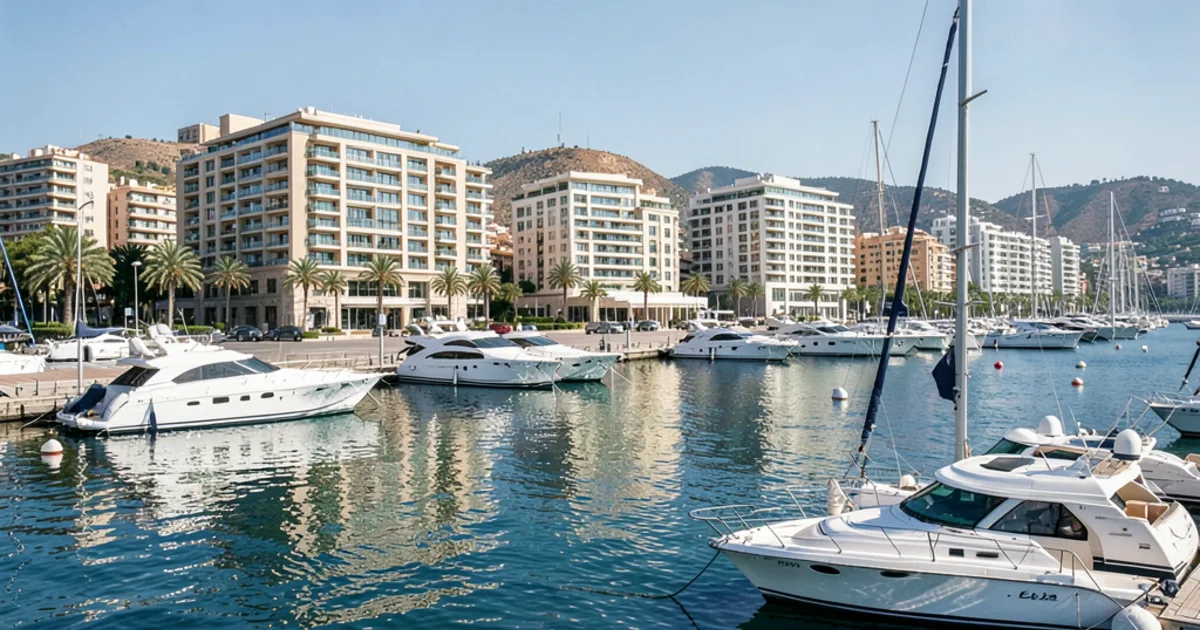
Netanya holds a particular allure for many South African immigrants and investors, making it a popular choice for property acquisition. Its stunning Mediterranean coastline, vibrant promenade, and growing English-speaking community create a welcoming environment. The city offers a blend of modern amenities, cultural attractions, and a relaxed lifestyle, appealing to families, retirees, and those seeking a holiday home.
The property market in Netanya is diverse, ranging from luxury beachfront apartments to more modest family homes and investment properties. This variety allows buyers to find options that align with their specific needs and budgets. The city's ongoing development and infrastructure improvements also contribute to its long-term investment potential, making it an attractive location for those looking to grow their assets.
Beyond its aesthetic appeal, Netanya's strategic location, offering easy access to Tel Aviv and other major cities, further enhances its desirability. This connectivity is a significant factor for individuals who may need to commute for work or wish to explore the wider region. The robust demand for rental properties in Netanya also makes it an appealing prospect for those considering an investment property.
The 30% Down Payment: A Strong Foundation for Your Mortgage Application
Bringing a 30% down payment significantly strengthens your position as a non-resident mortgage applicant in Israel. For many Israeli banks, this percentage often represents the minimum equity contribution required from international buyers, and in some cases, it may even exceed standard requirements, potentially opening doors to more favorable terms or a wider selection of lenders.
A larger down payment reduces the bank's risk exposure, making your application more attractive. It demonstrates a substantial commitment to the property and a strong financial capacity. This can be particularly beneficial in a competitive market or when seeking to secure a mortgage with a lower interest rate or more flexible repayment schedule.
It's crucial to remember that the down payment is just one component of the total costs associated with purchasing property in Israel. You will also need to budget for various closing costs, including Mas Rekhisha (purchase tax), legal fees, valuation fees, and potentially real estate agent commissions. Ensuring you have sufficient funds beyond the down payment is essential for a smooth transaction.
Key Documentation Required for Your Mashkanta Application
Preparing a comprehensive set of documents is paramount for a successful mortgage application. Israeli banks will require detailed financial information to assess your eligibility and lending capacity. This typically includes proof of income, assets, and liabilities, all translated into Hebrew or English and notarized.
Essential documents commonly requested include: personal identification (passport), proof of address (utility bills), detailed bank statements (typically for the last 6-12 months) from your South African accounts, and proof of your down payment funds. If you are employed, expect to provide recent salary slips and an employment letter confirming your position, tenure, and annual salary. For self-employed individuals, audited financial statements for the past few years are usually required.
Furthermore, you will need to provide documentation related to the property itself, such as the signed purchase agreement (the binding memorandum) and details about the property's registration in the Tabu (land registry). Having these documents organized and readily available will significantly streamline the application process and demonstrate your preparedness to the lending institution.
Lenders may also request a credit report from your home country, if available, or letters of good standing from your South African banks to verify your financial conduct and payment history. It is always advisable to consult with a mortgage broker specializing in non-resident loans in Israel to get a precise list tailored to your specific circumstances.
Navigating the Mortgage Process: Steps and Timelines
The mortgage application process for non-residents in Israel typically involves several distinct stages. The initial step is usually a pre-qualification, where a bank or mortgage broker assesses your financial profile to determine your potential eligibility and the maximum loan amount you might qualify for. This provides a realistic understanding of your borrowing capacity before you commit to a property.
Once pre-qualified, you will submit a formal application, accompanied by all the required documentation. The bank will then conduct a thorough review, which includes verifying your financial information and assessing the property's value through an independent appraisal. This due diligence phase can take several weeks, depending on the complexity of your financial situation and the bank's workload.
Upon approval, you will receive a mortgage offer outlining the loan terms, interest rates, and repayment schedule. It is crucial to review this offer carefully, ideally with legal counsel, before signing. The final step involves signing the mortgage agreement and registering the mortgage lien on the property in the Tabu. The entire process, from initial application to funds disbursement, can range from a few weeks to a couple of months, so patience and proactive communication are key.
Working with an experienced real estate agent and a mortgage broker who specialize in non-resident transactions can significantly expedite this process. They can guide you through each step, help you prepare the necessary documents, and liaise with the banks on your behalf, ensuring a smoother and more efficient journey to property ownership.
Additional Costs Beyond the Down Payment: Budgeting for Success
While your 30% down payment is a significant financial commitment, it is crucial to budget for several other substantial costs associated with purchasing property in Israel. These 'closing costs' can add a notable percentage to the total transaction value and must be factored into your financial planning to avoid unexpected surprises.
One of the most significant costs is Mas Rekhisha (purchase tax), which is levied on the property's value. The rates for non-residents can differ from those for Israeli citizens and may be subject to various thresholds and calculations. Legal fees for both your attorney and the vendor's attorney are also mandatory, covering the drafting of contracts, due diligence, and registration of the property in the Tabu.
Other expenses include valuation fees for the bank's appraiser, potential mortgage opening fees from the bank, and real estate agent commissions, which are typically a percentage of the property price plus VAT. Furthermore, consider ongoing costs such as Arnona (municipal property tax), utility bills, and building management fees if purchasing an apartment. Setting aside an additional 10-15% of the property value for these various costs is a prudent approach.
It is also wise to factor in potential currency exchange fluctuations between the South African Rand and the Israeli Shekel, especially for larger transactions. Seeking advice from a financial advisor specializing in international transactions can help mitigate this risk and ensure you have a clear picture of all financial obligations.
The Role of a Mortgage Broker and Legal Counsel
Engaging an experienced mortgage broker specializing in non-resident loans is highly recommended for South African citizens. These professionals have in-depth knowledge of the Israeli mortgage market, including the specific requirements and preferences of different banks for international buyers. They can help you compare various mortgage products, negotiate terms, and guide you through the complex application process, significantly increasing your chances of approval.
A good mortgage broker will also assist in preparing your documentation, ensuring everything is in order and meets the banks' stringent requirements. Their expertise can save you considerable time and effort, as they act as an intermediary between you and multiple lending institutions, presenting your application in the most favorable light. They understand the nuances of presenting foreign income and assets to Israeli banks.
Equally vital is securing independent legal counsel from an Israeli property lawyer. Your lawyer will conduct thorough due diligence on the property, verify its registration in the Tabu, review the purchase agreement (the binding memorandum), and ensure all legal aspects of the transaction protect your interests. They will also handle the registration of your ownership and the mortgage lien, safeguarding your investment. Do not rely solely on the vendor's lawyer; independent representation is crucial.
Furthermore, your lawyer can advise on the implications of Mas Rekhisha and Mas Shevah (capital gains tax, if you ever sell the property), and other legal aspects pertinent to non-resident ownership. Their guidance is essential for a legally sound and secure property acquisition in Israel.
Considering Property Type and Usage: Home, Investment, or Holiday Retreat
The type of property you intend to purchase in Netanya and its intended use can influence mortgage terms and overall feasibility. Whether you are seeking a permanent home, a pure investment property for rental income, or a holiday home for occasional use, banks may view these scenarios differently. Investment properties, for example, might be subject to slightly different lending criteria or loan-to-value ratios compared to properties intended as a primary residence.
For those planning to rent out their Netanya property, banks might consider the potential rental income as part of your overall repayment capacity, though typically this is a secondary factor to your primary income. Demonstrating a clear business plan for an investment property can be beneficial. For a holiday home, the focus remains primarily on your financial strength outside of Israel.
Purchasing land for future development is also an option, but mortgage financing for raw land can be more challenging to secure than for existing residential properties. Lenders often prefer tangible assets with immediate value. If your goal is to build, you might need to explore construction loans, which have a different set of requirements and are often phased based on construction progress.
Clearly articulating your intentions for the property to your mortgage broker and bank is important. This transparency allows them to guide you towards the most suitable financing options and ensures that the property type aligns with their lending policies for non-residents.
Future Considerations: Taxes, Rental Income, and Repatriation
As a non-resident property owner in Israel, it's essential to understand the ongoing financial implications beyond the initial purchase. If you plan to rent out your property, any rental income generated will be subject to Israeli income tax. There are various tax treaties and regulations that may apply to South African citizens, so consulting with an Israeli tax advisor is highly recommended to optimize your tax position.
Should you decide to sell your property in the future, you will likely be subject to Mas Shevah (capital gains tax) on any profit made from the sale. The calculation of this tax can be complex, taking into account various deductions and exemptions. Understanding these potential liabilities upfront is crucial for long-term financial planning and investment assessment.
The ability to repatriate funds, both rental income and proceeds from a sale, back to South Africa is another important consideration. While Israel has a generally open financial system, it's wise to understand the banking processes and any potential regulatory requirements for international money transfers. Your Israeli bank and financial advisor can provide guidance on these procedures.
Finally, staying informed about changes in Israeli property law, tax regulations, and currency exchange rates is vital for non-resident owners. Subscribing to relevant newsletters or maintaining contact with your Israeli legal and financial professionals will help you manage your investment effectively over time.
Beyond the Transaction: Integrating into Netanya Life
For many South African citizens, buying property in Netanya is not just a financial transaction but a step towards integrating into Israeli life, whether permanently or for extended periods. Beyond the legal and financial aspects, considering practicalities like language acquisition can significantly enhance your experience. Engaging in an Ulpan (intensive Hebrew language course) can be invaluable for daily life, social interactions, and navigating local services.
Understanding local customs, cultural norms, and the rhythm of Israeli life will also contribute to a smoother transition. Netanya, with its large immigrant population, is generally welcoming, but making an effort to connect with the community can greatly enrich your time there. Participating in local events, joining community groups, or simply frequenting local businesses can help you feel more at home.
Accessing healthcare, setting up utilities, and understanding the local education system (if applicable) are also practical considerations. While an Israeli property lawyer and real estate agent can assist with initial setups, becoming familiar with these aspects independently will empower you as a property owner and resident.
Ultimately, owning property in Netanya offers a unique opportunity to experience Israel's vibrant culture and beautiful coastline. By thoroughly preparing for the financial, legal, and practical aspects, South African citizens with a 30% down payment can confidently pursue their dream of property ownership in this dynamic city.
FAQ
Can I use my South African income to qualify for an Israeli mortgage?
Yes, Israeli banks typically consider stable and verifiable income from your home country, including South Africa. You will need to provide extensive documentation such as bank statements, salary slips, and tax returns, all translated and notarized, to prove your financial capacity.
What is the typical loan-to-value (LTV) ratio for non-residents in Israel?
While local Israelis might secure higher LTVs, non-residents typically face more conservative limits. A 30% down payment is a strong starting point, often allowing access to loan-to-value ratios in the range of 50-70% for the remaining property value, depending on the bank and specific circumstances.
Are there specific banks in Israel that are more accommodating to South African non-resident borrowers?
While specific bank policies can change, some larger Israeli banks with international departments are generally more experienced in dealing with non-resident applications. Consulting with a mortgage broker specializing in foreign buyers can help identify the most suitable lenders for your profile.
What is the significance of the Tabu in the Israeli property purchase process?
The Tabu is Israel's official land registry, similar to a deeds office. It is the definitive record of property ownership and any liens, such as a mortgage. Ensuring the property is properly registered in the Tabu under your name is a crucial legal step that secures your ownership.
Will I need an Israeli bank account to manage my mortgage payments?
Yes, it is typically a requirement to open an Israeli bank account to facilitate mortgage payments and other property-related expenses like Arnona and utility bills. Your mortgage broker or lawyer can assist you with the process of opening a non-resident bank account.
Get your personalised shortlist
Listings and up-to-date info, straight to your inbox, free, no obligation.
Get my shortlist →